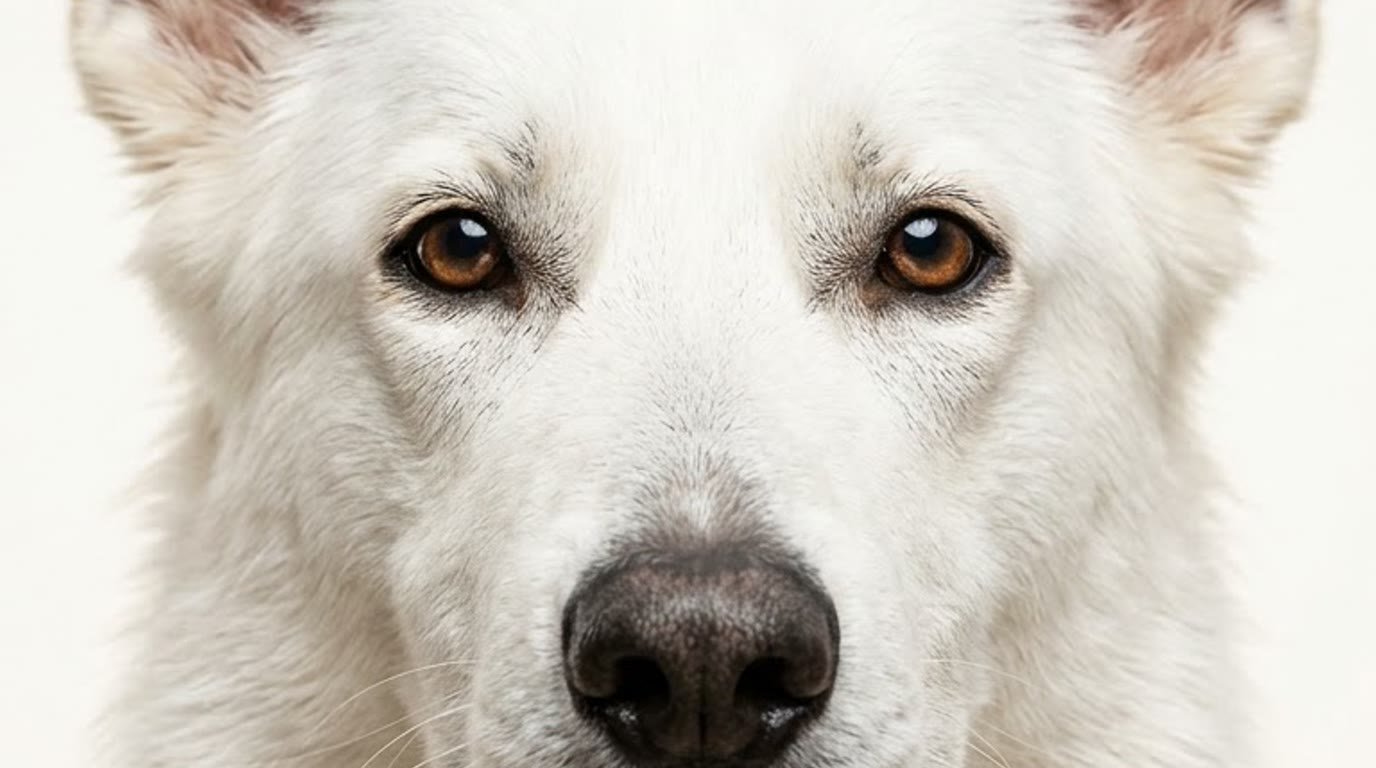
A white German Shepherd is a full German Shepherd genetically, but the color has a more complicated history than black or sable — it’s been formally excluded from some breed standards, which has led to real confusion about whether these dogs are “purebred” at all.
Is a White German Shepherd a Different Breed?
Genetically, no — a white German Shepherd is the product of the same breeding population as any other GSD, carrying a recessive gene that masks pigment in the coat rather than a different set of ancestry. However, because the AKC and several other major kennel clubs disqualify white as a color in their German Shepherd breed standard, white-coated dogs are often bred and registered separately. Some countries recognize this lineage as its own breed — the White Swiss Shepherd (Berger Blanc Suisse) is FCI-recognized, and the United Kennel Club recognizes the White Shepherd separately from the standard German Shepherd Dog.
Why Are White German Shepherds Controversial in Some Breed Standards?
The exclusion traces back to concerns in the early breed standard about visibility for working and herding dogs, and a preference for the pigmented coloring associated with the breed’s original working type. That standard has stuck in AKC conformation showing even though there’s no established health or temperament reason tied to the white gene itself — it’s a showing-eligibility distinction, not a genetic health distinction.
Do White German Shepherds Have Special Care Needs?
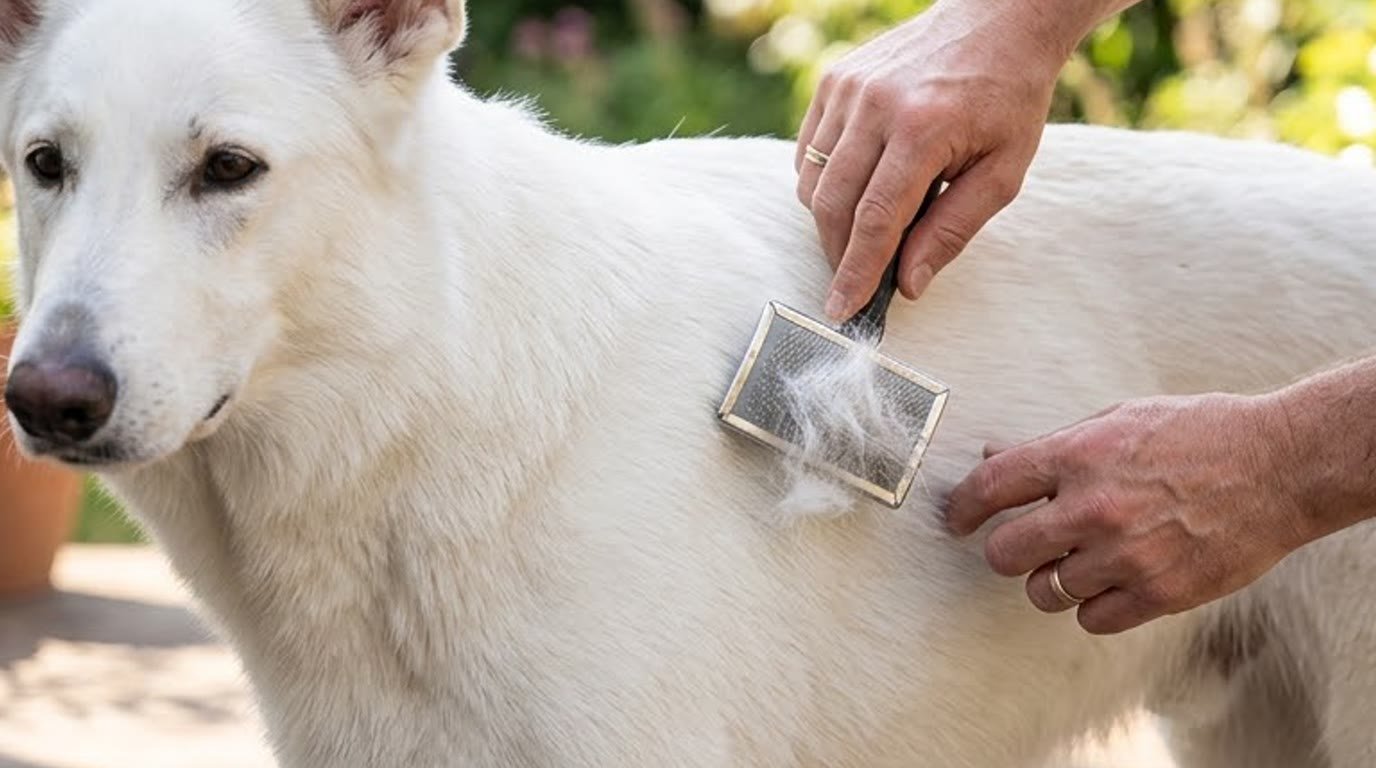
Coat care is largely the same as any GSD — a dense double coat that sheds moderately to heavily, needing regular brushing. One practical note: a white coat shows dirt and staining more visibly than darker colors, so owners often find themselves bathing and grooming slightly more often for appearance’s sake, though this doesn’t affect the dog’s actual skin or coat health.
What Should You Ask a Breeder Before Getting One?
- Which registry the puppy will be registered under — standard AKC German Shepherd Dog registration, or a separate White Shepherd/White Swiss Shepherd registry, since this affects eligibility for conformation showing later
- Hip and elbow health testing, exactly as you’d ask for any GSD line — color doesn’t change what to screen for
- Working line vs. companion line temperament, since white lines are often bred more toward companion temperament than working drive, which can be a plus for a first-time owner
- Realistic pricing expectations — white GSDs are sometimes marketed at a premium for color rarity, but pricing should still reflect health testing and lineage quality, not color alone