No matches found. Try a different search term.
HomeCat BreedsCornish Rex
CAT BREED PROFILE

Cornish Rex

— Energetic. Affectionate. Elegant.

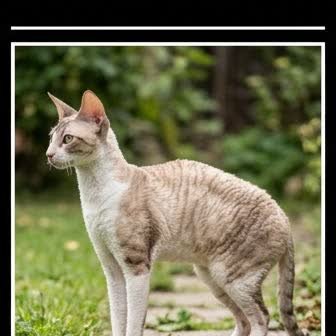
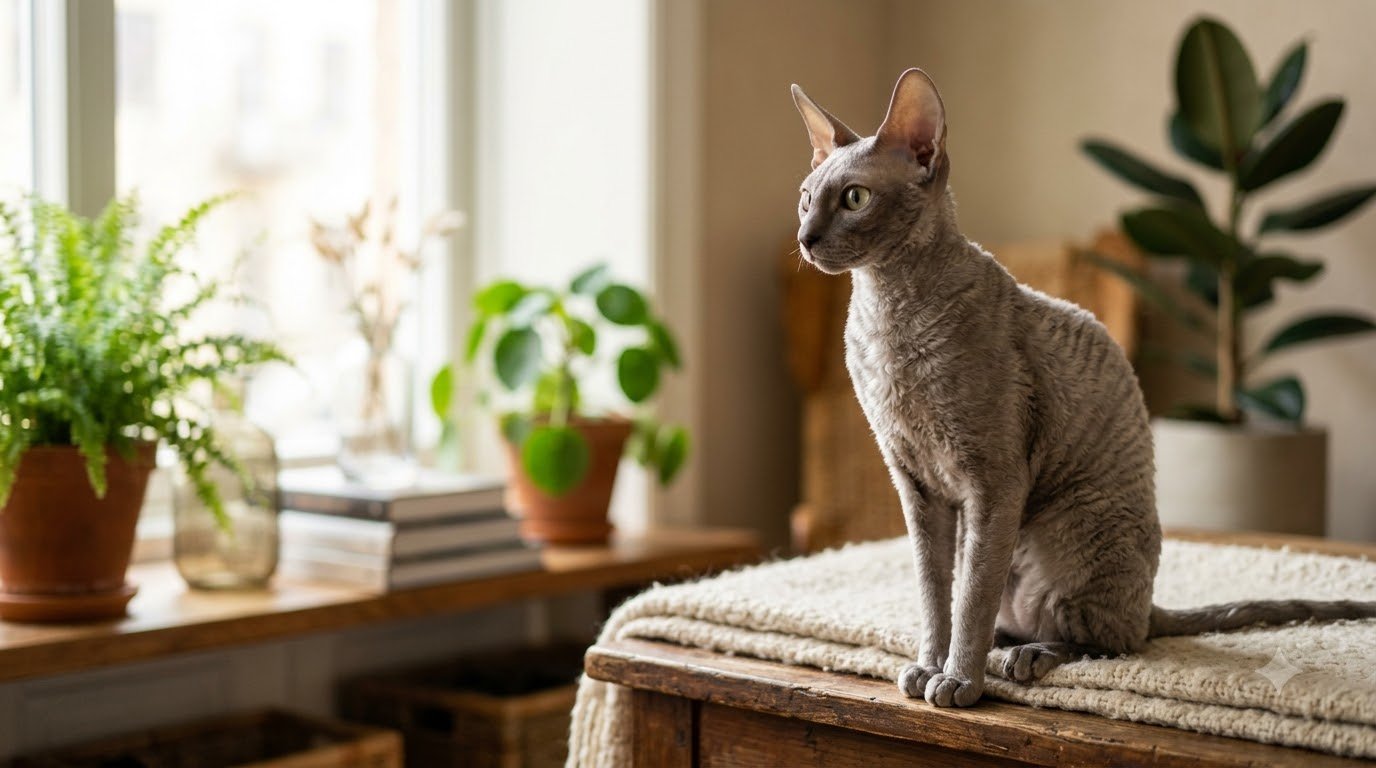
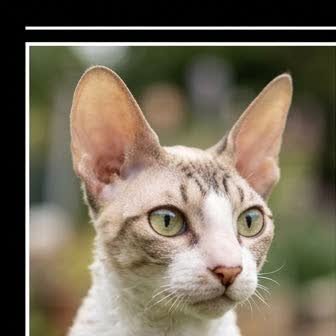
With an unmistakable slender, greyhound-like build and a soft, wavy coat lacking the typical outer guard hairs, the Cornish Rex is one of the most distinctive cat breeds. Discovered in Cornwall, England, in 1950, this breed combines an elegant appearance with an energetic, playful temperament.

England (Cornwall)Origin
Shorthair (Curly)Breed Group
11 - 15 YearsLife Expectancy

QUICK OVERVIEW

Active, engaged owners
Warm, temperature-controlled indoor homes
Owners wanting an interactive cat
Owners wanting a low-maintenance, independent cat

About the Cornish Rex

With an unmistakable slender, greyhound-like build and a soft, wavy coat lacking the typical outer guard hairs, the Cornish Rex is one of the most distinctive cat breeds. Discovered in Cornwall, England, in 1950, this breed combines an elegant appearance with an energetic, playful temperament.

Last updated: August 12, 2026
Read Full History
Key Facts

Known for a slender, arched, greyhound-like body silhouette
Discovered as a spontaneous genetic mutation on a Cornish farm in 1950
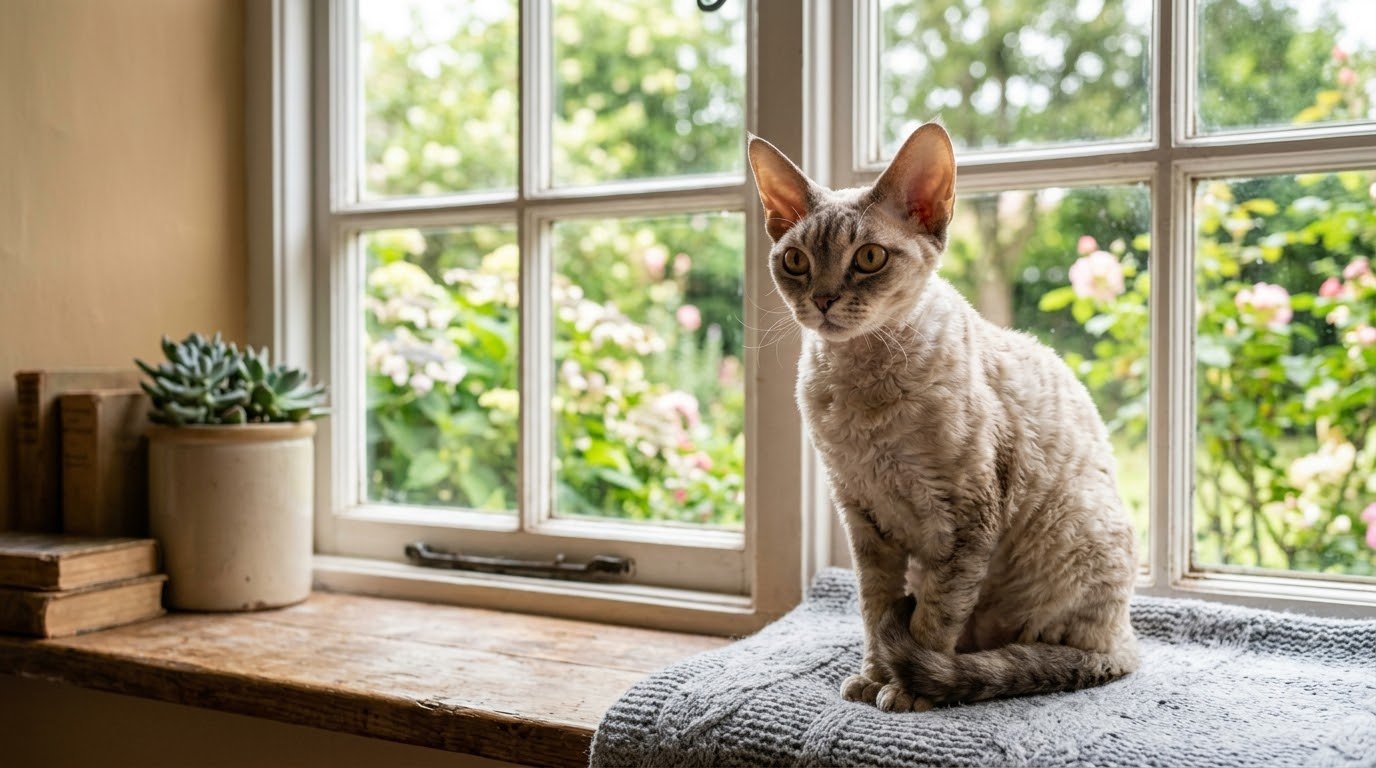
Coat lacks outer guard hairs, giving it an unusually soft, wavy texture
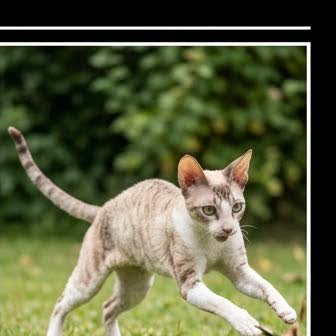
Known for exceptional speed and agility, often called the "greyhound of cats"

Is Cornish Rex Right for You?

Active, engaged owners
Warm, temperature-controlled indoor homes
Owners wanting an interactive cat
Owners wanting a low-maintenance, independent cat
Explore More Breeds →

Photo Gallery

View All Breeds →

The Cornish Rex has a short, wavy, extremely fine coat coat in wide variety, no restricted breed standard color, with low shedding year-round.

Personality

EnergeticOne of the most physically active cat breeds, known for speed, jumping, and near-constant motion.
AffectionateForms close bonds with family, often seeking warmth and physical closeness given their thin coat.
ElegantMoves with a distinctive, graceful bearing reflecting their slender, arched build.
SocialEnjoys engaging with family members and often greets visitors with genuine curiosity.

Care & Needs

Temperature RegulationTheir extremely fine coat provides minimal insulation, making them highly sensitive to cold and needing warm spaces.
Skin CareSome individuals benefit from occasional bathing since their fine coat absorbs body oils less effectively than typical fur.
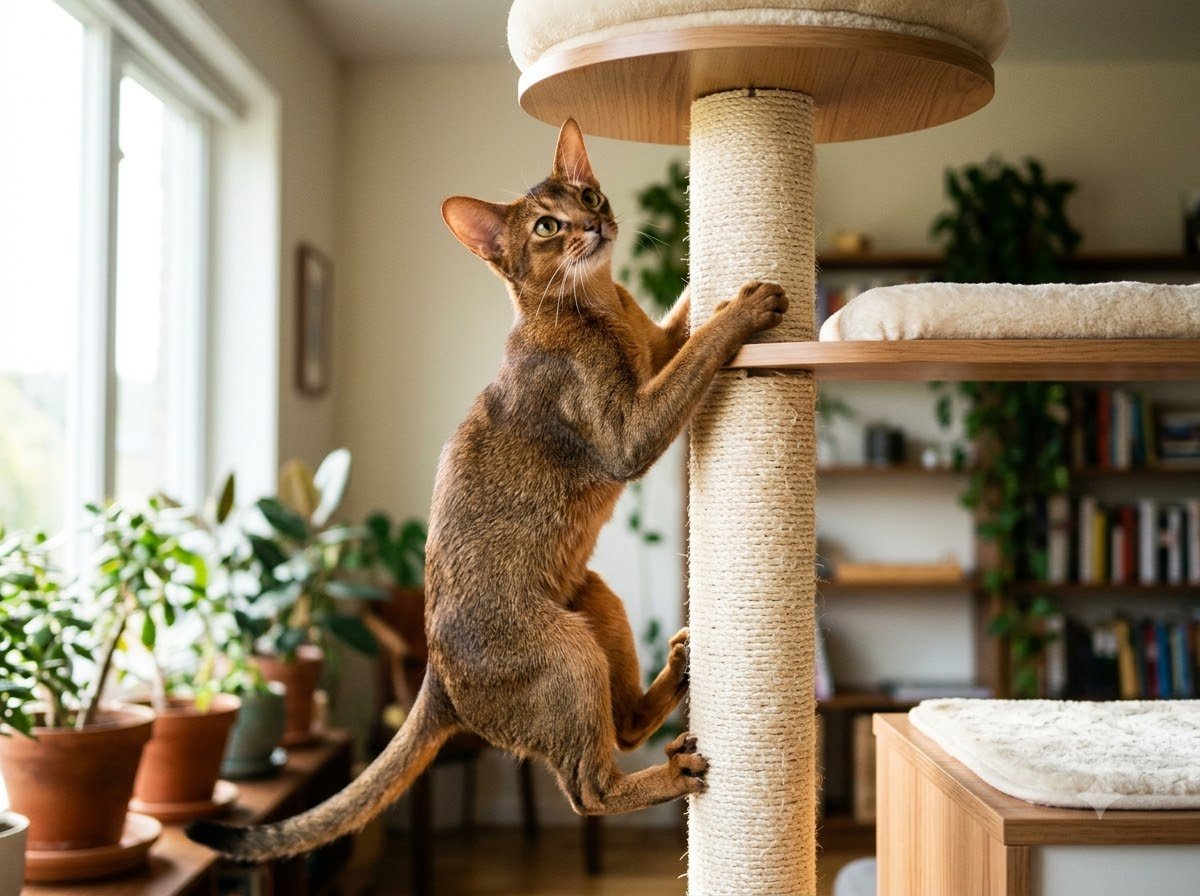
EnrichmentNeeds substantial interactive toys and climbing structures to satisfy their very high energy level.
CompanionshipForms close bonds with family and does best with regular interaction rather than long periods alone.

Did You Know?

The Cornish Rex's coat lacks the outer guard hairs found in most cats, leaving only the soft undercoat — a trait that gives the breed its distinctively wavy, velvet-like texture.

Cornish Rexs have been serving humans in many important roles including: Show Cats and Companion Cats .

Health & Common Issues

Hypertrophic CardiomyopathyA heart condition documented in many purebred cats including the Cornish Rex, making cardiac screening valuable.
Patellar LuxationA joint condition where the kneecap slips out of place, documented in the breed.
Hereditary BaldnessSome individuals can develop progressive hair thinning, related to the same coat genetics responsible for the breed's texture.

Training & Exercise

  • Provide substantial interactive play and climbing opportunities, given their very high energy and athletic build.
  • Offer warm bedding and consider sweaters in cooler climates, given their extremely thin coat and sensitivity to cold.
  • Consider leash training or simple tricks, given the breed's above-average trainability and social nature.
  • Rotate toys regularly to maintain their interest, since Cornish Rex cats can become bored with unchanging enrichment.

History & Origin

1950 A curly-coated kitten was born on a farm in Cornwall, England, becoming the foundation of the breed.
1950s-1960s Selectively bred and refined, with some crosses to other breeds to establish a healthy genetic base.
1979 Achieved championship status with the Cat Fanciers' Association.
Today A distinctive breed valued for its unique coat texture and highly energetic, engaging temperament.

Frequently Asked Questions

Are Cornish Rex cats hypoallergenic?
No cat breed is fully hypoallergenic, but Cornish Rex cats shed very little and produce less loose dander than many breeds, which is why they're sometimes recommended for mildly allergic owners.
Do Cornish Rex cats get cold easily?
Yes, quite easily — their extremely fine coat lacking outer guard hairs provides minimal insulation, making warm bedding or sweaters genuinely useful in cooler climates.
How much exercise does a Cornish Rex need?
A significant amount — this is one of the most energetic cat breeds, needing substantial daily interactive play to stay well-behaved and satisfied.

Related Guides for Cornish Rex Owners

You Might Also Like

Love Cornish Rexs?
Get expert tips, care guides & stories straight to your inbox.
No spam Unsubscribe anytime 100% Free