No matches found. Try a different search term.
HomeCat BreedsDevon Rex
CAT BREED PROFILE

Devon Rex

— Mischievous. Playful. Affectionate.

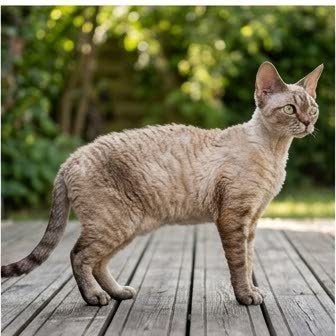
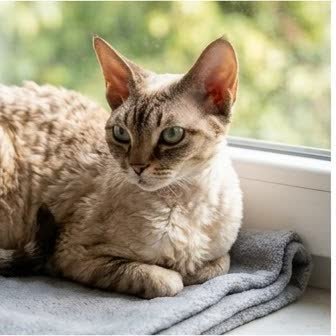
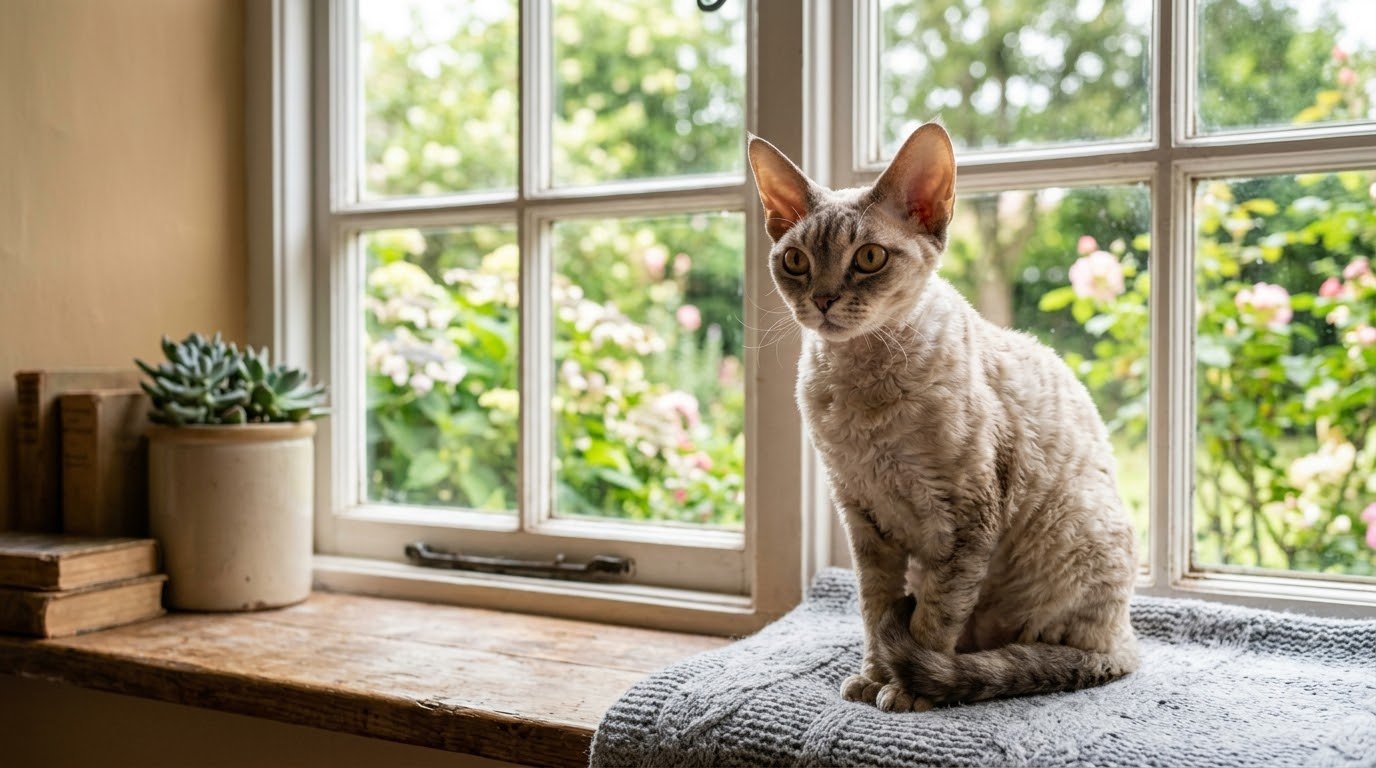
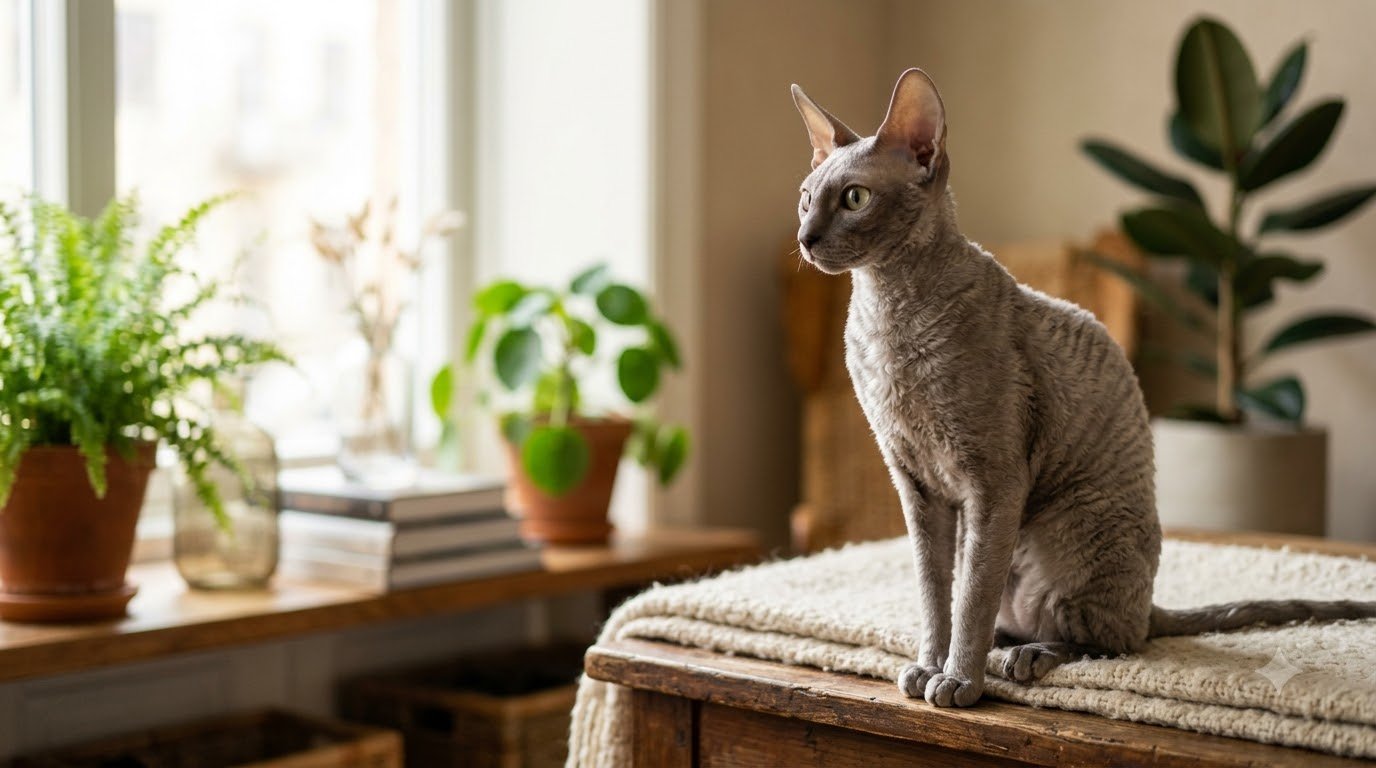
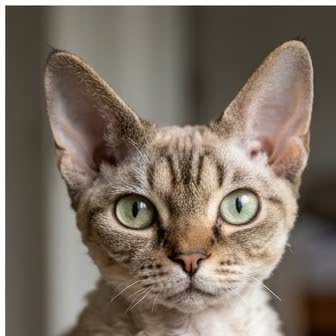
With oversized ears, large eyes, and a soft, wavy coat, the Devon Rex has an unmistakably elfin appearance that matches its famously mischievous, playful personality. Discovered in Devon, England, in the 1960s, this breed is known for a genuinely dog-like devotion and a love of high perches.

England (Devon)Origin
Shorthair (Curly)Breed Group
9 - 15 YearsLife Expectancy

QUICK OVERVIEW

Owners wanting a highly interactive cat
Warm, temperature-controlled indoor homes
Households wanting a playful companion
Owners wanting a low-maintenance, independent cat

About the Devon Rex

With oversized ears, large eyes, and a soft, wavy coat, the Devon Rex has an unmistakably elfin appearance that matches its famously mischievous, playful personality. Discovered in Devon, England, in the 1960s, this breed is known for a genuinely dog-like devotion and a love of high perches.

Last updated: August 12, 2026
Read Full History
Key Facts

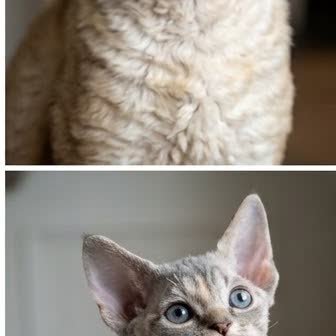
Known for an elfin appearance — large ears, big eyes, and a wavy, soft coat
Discovered as a spontaneous genetic mutation in Devon, England, in 1960
Famous for a mischievous, clownish personality earning the nickname "poodle cat"
Often described as dog-like, following owners and learning tricks readily

Is Devon Rex Right for You?

Owners wanting a highly interactive cat
Warm, temperature-controlled indoor homes
Households wanting a playful companion
Owners wanting a low-maintenance, independent cat
Explore More Breeds →

Photo Gallery

View All Breeds →

The Devon Rex has a short, wavy, fine coat coat in wide variety, no restricted breed standard color, with low shedding year-round.

Personality

MischievousKnown for a genuinely playful, clownish temperament, often getting into curious situations around the home.
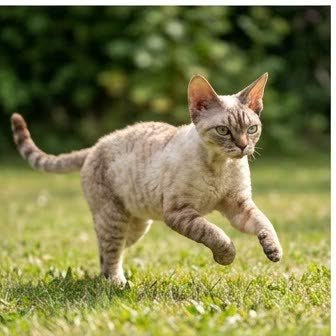
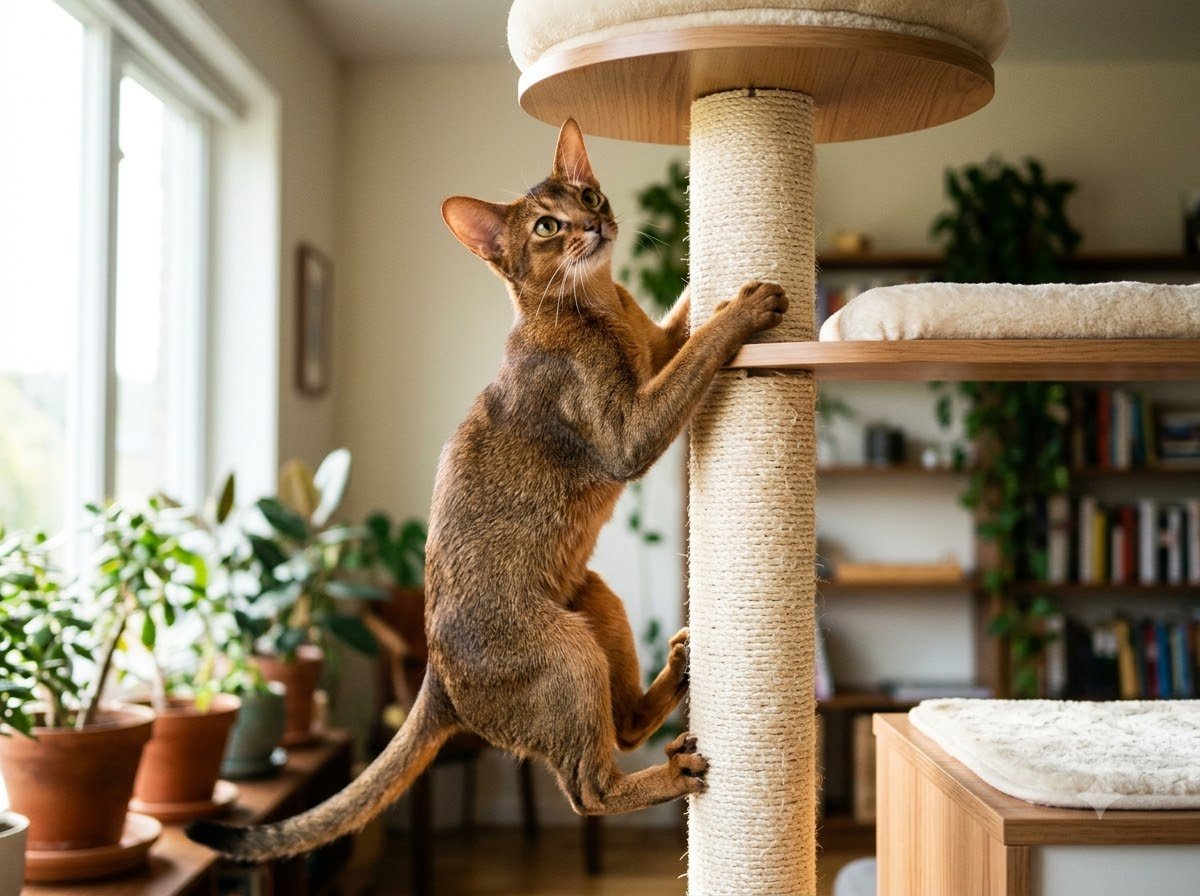
PlayfulRetains kitten-like energy well into adulthood, enjoying interactive games and climbing.
AffectionateForms close bonds with family, often described as dog-like in their devotion and desire for closeness.
IntelligentQuick learners, sometimes trainable to perform tricks or walk on a leash.

Care & Needs

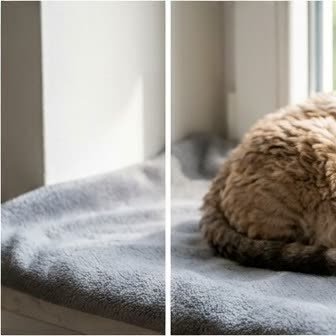
Temperature RegulationTheir fine, sparse coat provides less insulation than typical cats, making them sensitive to cold and needing warm spaces.
Skin CareSome individuals benefit from occasional bathing since their fine coat absorbs body oils less effectively than typical fur.
EnrichmentNeeds interactive toys and climbing structures to satisfy their very high energy and curiosity.
CompanionshipForms close bonds with family and does best with regular interaction rather than long periods alone.

Did You Know?

Despite both having curly coats, the Devon Rex and Cornish Rex arose from two completely different, unrelated genetic mutations, discovered in the same English county just years apart.

Devon Rexs have been serving humans in many important roles including: Show Cats and Companion Cats .

Health & Common Issues

Hypertrophic CardiomyopathyA heart condition documented in many purebred cats including the Devon Rex, making cardiac screening valuable.
Hereditary MyopathyA rare hereditary muscle condition documented specifically in the breed's genetic history.
Patellar LuxationA joint condition where the kneecap slips out of place, documented in the breed.

Training & Exercise

  • Provide substantial interactive play and climbing opportunities, given their very high energy and mischievous curiosity.
  • Consider leash training or simple tricks, given the breed's above-average trainability and social nature.
  • Offer warm bedding and consider sweaters in cooler climates, given their thin coat and sensitivity to cold.
  • Cat-proof cabinets and small spaces, since Devon Rex cats are known for curious, sometimes mischievous exploration.

History & Origin

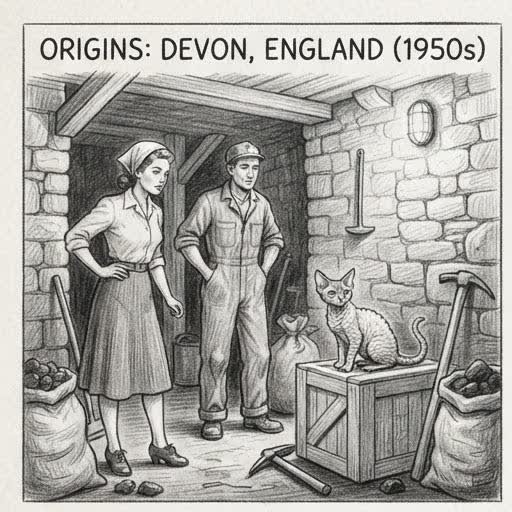
Illustrated sketch of the Devon Rex's discovery near a tin mine in Devon, England 1960 A curly-coated kitten was discovered near an abandoned tin mine in Devon, England, becoming the foundation of the breed.
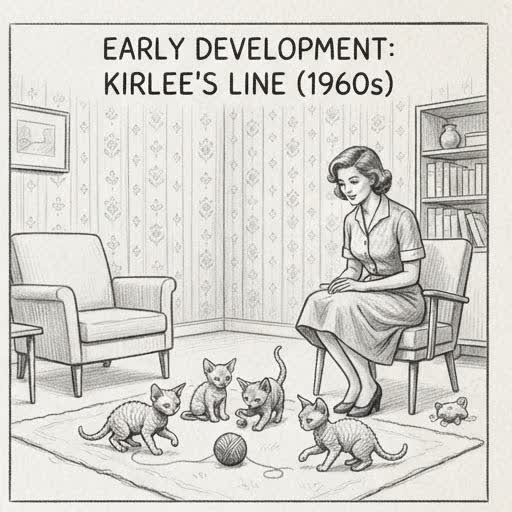
Illustrated sketch of an early Devon Rex breeding line in the 1960s 1960s Initially thought related to the earlier Cornish Rex mutation, genetic testing later confirmed the Devon Rex arose from a distinct, unrelated gene.
Illustrated sketch of a Devon Rex at a cat show achieving championship recognition 1979 Achieved championship status with the Cat Fanciers' Association.
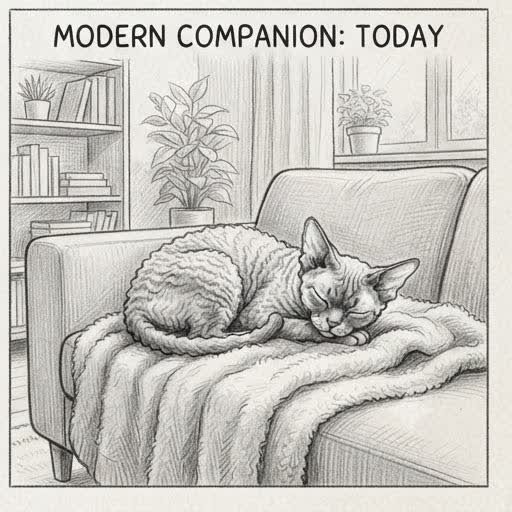
Illustrated sketch of a modern Devon Rex in a present-day home Today A distinctive breed valued for its elfin appearance and genuinely playful, dog-like temperament.

Frequently Asked Questions

Are Devon Rex cats hypoallergenic?
No cat breed is fully hypoallergenic, but Devon Rex cats shed very little and produce less loose dander than many breeds, which is why they're sometimes recommended for mildly allergic owners.
Do Devon Rex cats get cold easily?
Yes — their fine, sparse coat provides less insulation than typical fur, making them sensitive to cold, and many owners provide warm bedding or sweaters in cooler climates.
Are Devon Rex cats good with children?
Yes, generally — their playful, affectionate, dog-like temperament makes them well suited to families, including households with children and other pets.

Related Guides for Devon Rex Owners

You Might Also Like

Love Devon Rexs?
Get expert tips, care guides & stories straight to your inbox.
No spam Unsubscribe anytime 100% Free