No matches found. Try a different search term.
HomeDog BreedsGreat Dane
DOG BREED PROFILE

Great Dane

— Gentle Giant. Affectionate. Dignified.

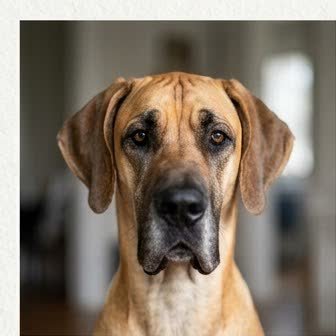
Often called the "Apollo of dogs," the Great Dane is one of the tallest dog breeds, yet its temperament is defined more by gentleness than size. Bred in Germany originally to hunt wild boar, today's Great Danes are known as affectionate, dignified family companions whose sheer scale is offset by an unusually calm, sweet disposition.

GermanyOrigin
Working GroupBreed Group
7 - 10 YearsLife Expectancy

QUICK OVERVIEW

Homes with space for a giant breed
Owners who can manage joint health early
Families wanting an affectionate dog
Very small living spaces

About the Great Dane

Often called the "Apollo of dogs," the Great Dane is one of the tallest dog breeds, yet its temperament is defined more by gentleness than size. Bred in Germany originally to hunt wild boar, today's Great Danes are known as affectionate, dignified family companions whose sheer scale is offset by an unusually calm, sweet disposition.

Last updated: August 12, 2026
Read Full History
Key Facts

One of the tallest dog breeds, with some individuals exceeding 32 inches at the shoulder
Originally bred in Germany to hunt wild boar, valued for size and courage
Known as a "gentle giant" for a temperament far softer than their size suggests
A shorter lifespan than most breeds, typical of giant dog breeds generally

Is Great Dane Right for You?

Homes with space for a giant breed
Owners who can manage joint health early
Families wanting an affectionate dog
Very small living spaces
Explore More Breeds →

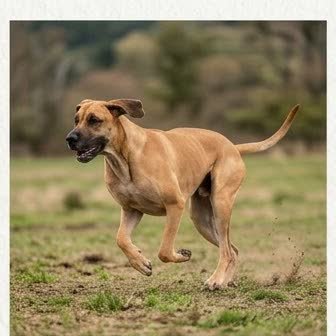
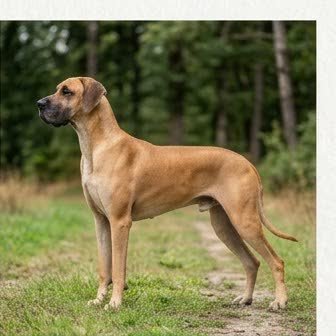
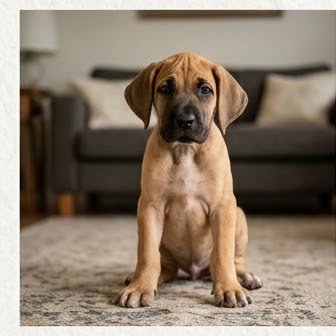
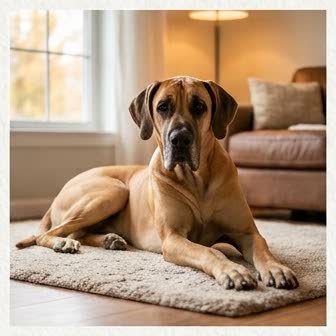
Photo Gallery

View All Breeds →

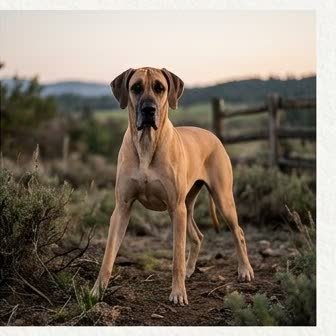
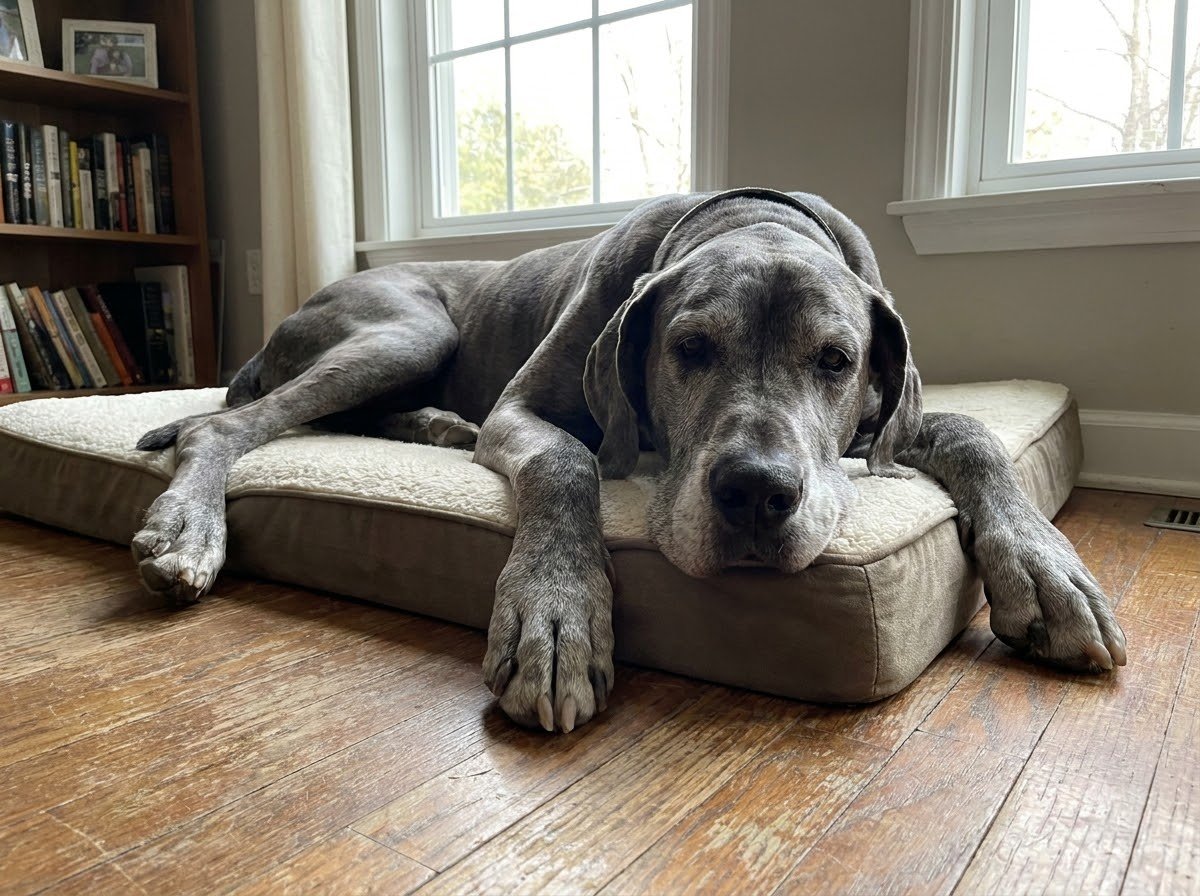
The Great Dane has a short, smooth coat coat in fawn, brindle, black, blue, harlequin, mantle, with moderate shedding year-round.

Personality

GentleDespite their imposing size, Great Danes are typically calm, patient, and affectionate with their family.
AffectionateOften described as a "lap dog in a giant's body," seeking close physical contact with their people.
DignifiedCarries themselves with a calm, composed demeanor rather than the frantic energy of smaller breeds.
ProtectiveNaturally watchful of their family, though generally not aggressive without cause.

Care & Needs

Joint SupportAs a giant breed, controlled growth during puppyhood and joint-supportive nutrition matter significantly for long-term mobility.
Exercise30-45 minutes of moderate daily exercise; despite their size, Great Danes aren't a high-endurance breed and can overheat easily.
Living SpaceNeeds significant indoor space to move comfortably, though their moderate energy means they don't require constant activity.
DietRequires a large-breed-formulated diet, particularly during growth, to support proper bone development and reduce bloat risk.

Did You Know?

Despite the English name, Great Danes have no significant historical connection to Denmark — the breed was developed almost entirely in Germany.

Great Danes have been serving humans in many important roles including: Boar Hunters , Family Companions and Gentle Giants .

Health & Common Issues

Bloat (GDV)Deep-chested giant breeds like the Great Dane face a significantly elevated risk of this life-threatening emergency — smaller meals and avoiding vigorous exercise after eating help reduce risk.
Dilated CardiomyopathyA heart condition more common in Great Danes than most breeds, making regular cardiac screening an important part of preventive care.
Hip DysplasiaCommon in large and giant breeds; controlled growth and joint-supportive care during puppyhood help manage lifetime risk.

Training & Exercise

  • Begin obedience training early while puppies are still manageable in size, since a fully grown, untrained Great Dane is difficult to physically control.
  • Use positive reinforcement; this sensitive breed responds poorly to harsh handling and can become fearful with heavy-handed correction.
  • Socialize widely as a puppy to ensure their large size doesn't translate into anxiety or reactivity around unfamiliar people or dogs.
  • Avoid excessive jumping or high-impact exercise during the first 18-24 months while bones and joints are still developing.

History & Origin

1600s Large boar-hunting dogs resembling Great Danes were bred in Germany, combining Mastiff-type bulk with Greyhound-like speed.
1800s The breed was refined in Germany and given the name "Deutsche Dogge" (German Mastiff), despite the English name referencing Denmark.
1887 The American Kennel Club officially recognized the Great Dane.
Today Valued primarily as a gentle family companion rather than a hunting dog, known for its combination of imposing size and sweet temperament.

Frequently Asked Questions

Are Great Danes good with children?
Generally yes, given their gentle, patient temperament, though their sheer size means supervision matters to prevent accidental injury from normal playful movement rather than aggression.
Why do Great Danes have a shorter lifespan?
Like most giant dog breeds, Great Danes have a shorter average lifespan (7-10 years) than smaller breeds, a pattern seen consistently across large-breed dogs and linked partly to faster growth rates and cardiac strain.
How much space does a Great Dane need?
While they need enough indoor space to move and lie down comfortably, Great Danes are only moderately active and don't require a large property — consistent daily walks matter more than acreage.

Related Guides for Great Dane Owners

You Might Also Like

Love Great Danes?
Get expert tips, care guides & stories straight to your inbox.
No spam Unsubscribe anytime 100% Free