No matches found. Try a different search term.
HomeCat BreedsPersian Cat
CAT BREED PROFILE

Persian Cat

— Gentle. Quiet. Elegant.

The Persian cat is one of the oldest known cat breeds, prized for centuries for its luxurious long coat, sweet round face, and famously calm, undemanding temperament. Persians are quiet homebodies who prefer a predictable routine over an active lifestyle, making them a popular choice for owners seeking a gentle, low-energy companion.

Iran (Persia)Origin
LonghairBreed Group
12 - 17 YearsLife Expectancy

QUICK OVERVIEW

Quiet, low-activity households
Owners able to groom daily
Indoor-only living
Very active or high-energy households

About the Persian Cat

The Persian cat is one of the oldest known cat breeds, prized for centuries for its luxurious long coat, sweet round face, and famously calm, undemanding temperament. Persians are quiet homebodies who prefer a predictable routine over an active lifestyle, making them a popular choice for owners seeking a gentle, low-energy companion.

Last updated: August 12, 2026
Read Full History
Key Facts

One of the oldest documented cat breeds, dating back to at least the 1600s
Known for an exceptionally calm, low-energy temperament
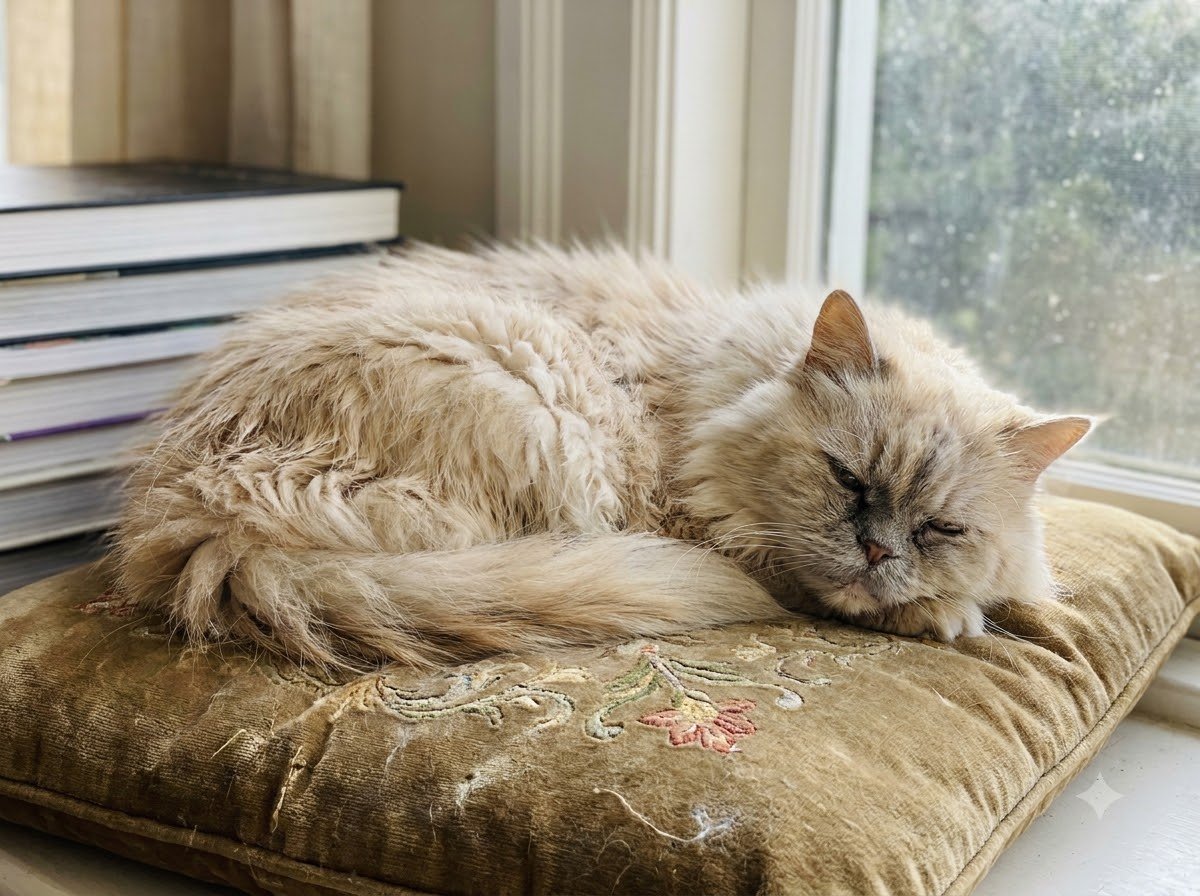
Requires daily grooming to prevent painful mats in their long coat
Historically associated with European and Middle Eastern nobility

Is Persian Cat Right for You?

Quiet, low-activity households
Owners able to groom daily
Indoor-only living
Very active or high-energy households
Explore More Breeds →

Photo Gallery

View All Breeds →

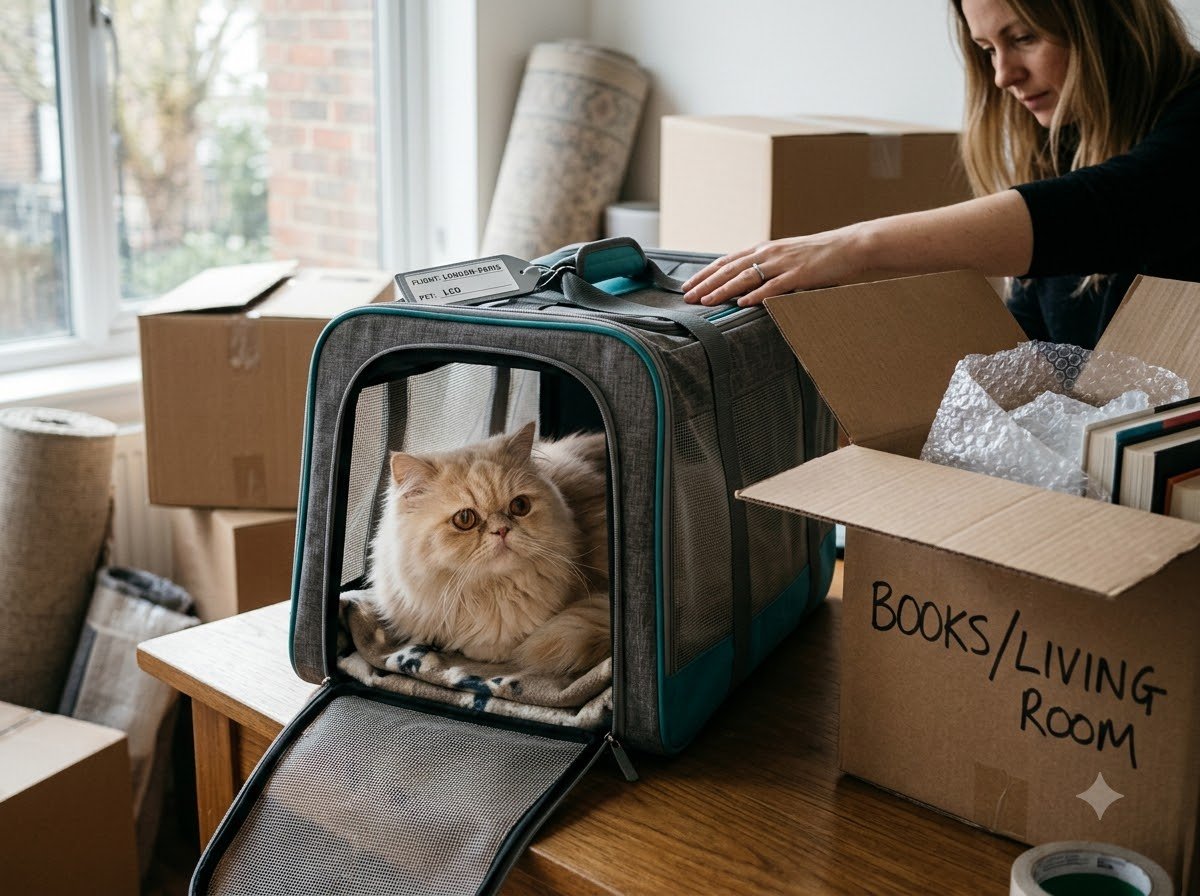
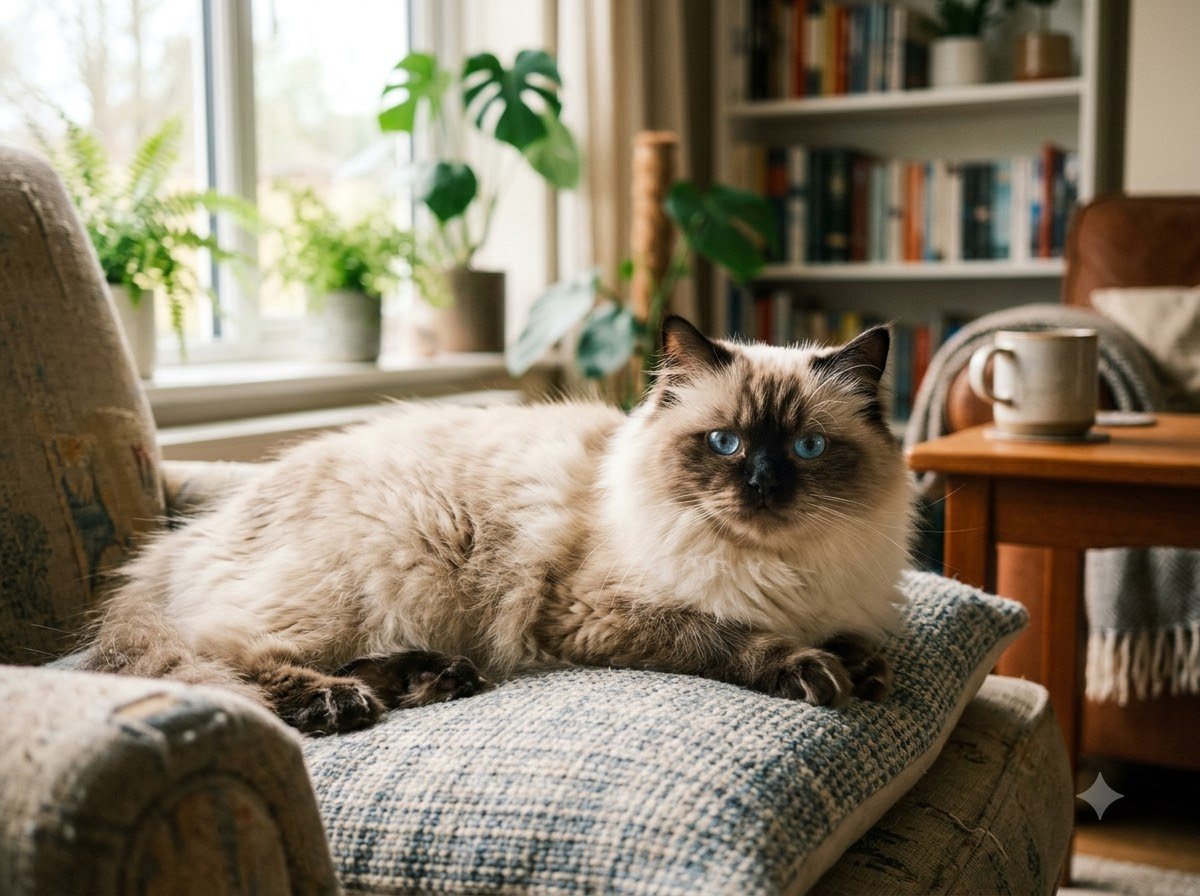
The Persian Cat has a long, thick, double coat coat in wide range, including white, cream, blue, and color-point, with high, year-round shedding year-round.

Personality

GentleRarely aggressive or demanding, Persians tend to have a sweet, easygoing disposition well suited to calm households.
QuietNot particularly vocal, and generally prefers a peaceful environment over loud or chaotic households.
AffectionateEnjoys companionship on its own terms — often content to sit nearby rather than constantly seeking attention.
Low-EnergyPrefers lounging to climbing or chasing, making it one of the more sedentary popular cat breeds.

Care & Needs

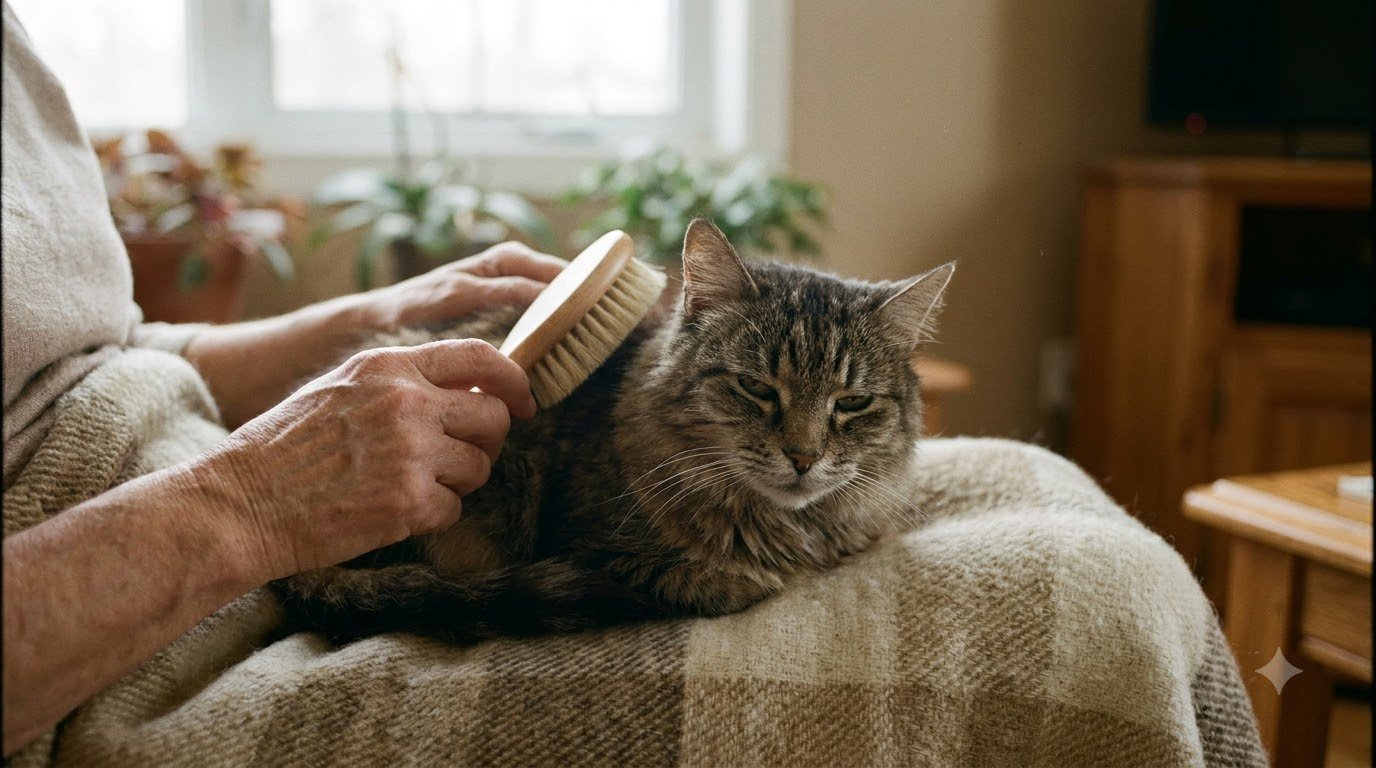
GroomingDaily brushing is non-negotiable — their long, dense coat mats easily and painfully without consistent maintenance.
Eye CareThe breed's flat face predisposes them to tear staining and eye discharge, requiring regular gentle cleaning around the eyes.
DietProne to weight gain given their low activity level, so portion control matters more than for more active breeds.
Living SpaceBest suited to indoor-only living; their long coat and calm temperament aren't well matched to outdoor exploration.

Did You Know?

Persian cats have been featured in art and literature for centuries, often as symbols of luxury and refinement.

Persian Cats have been serving humans in many important roles including: Show Cats and Companion Cats .

Health & Common Issues

Polycystic Kidney Disease (PKD)A hereditary condition common in Persians that causes cysts to form in the kidneys — genetic testing of breeding cats has reduced but not eliminated the risk.
Brachycephalic Breathing IssuesTheir flat facial structure can cause breathing difficulty, especially in heat or during stress, similar to brachycephalic dog breeds.
Dental CrowdingTheir shortened jaw can cause overcrowded teeth, making regular dental checkups important.

Training & Exercise

  • Persians respond well to calm, patient, reward-based handling — avoid loud or forceful correction, which can cause a Persian to withdraw.
  • Introduce grooming routines from kittenhood so daily brushing becomes a comfortable, expected part of life rather than a stressful event.
  • Provide low-impact enrichment like window perches rather than high climbing structures, matching their lower energy level.

History & Origin

1600s Long-haired cats resembling modern Persians were brought from Persia (modern-day Iran) to Italy, among the earliest documented longhair cat imports to Europe.
1800s Became a favorite of European nobility, including Queen Victoria, cementing the breed's association with elegance and status.
Early 1900s Selective breeding in the UK and US developed the modern Persian's rounder face and denser coat.
Today One of the most popular and recognizable cat breeds worldwide, prized for its calm temperament and striking appearance.

Frequently Asked Questions

Do Persian cats need a lot of grooming?
Yes — daily brushing is essential to prevent painful mats in their long, dense coat, and many owners also schedule periodic professional grooming for a full coat trim or bath.
Are Persian cats good with children?
Generally yes, given their calm and tolerant temperament, though their low tolerance for rough handling means supervision with very young children is still a good idea.
Why do Persian cats have breathing problems?
Their flat (brachycephalic) facial structure can narrow airways, which is why Persians can be more prone to breathing difficulty in heat or during stress compared to cats with a normal-length muzzle.

Related Guides for Persian Cat Owners

You Might Also Like

Love Persian Cats?
Get expert tips, care guides & stories straight to your inbox.
No spam Unsubscribe anytime 100% Free