Persian cats bring two breed-specific factors into international relocation planning: their flat-faced (brachycephalic) structure, which many airlines specifically restrict from cargo travel due to breathing risk, and their dense coat, which needs extra preparation to handle the stress and temperature swings of a long trip comfortably.
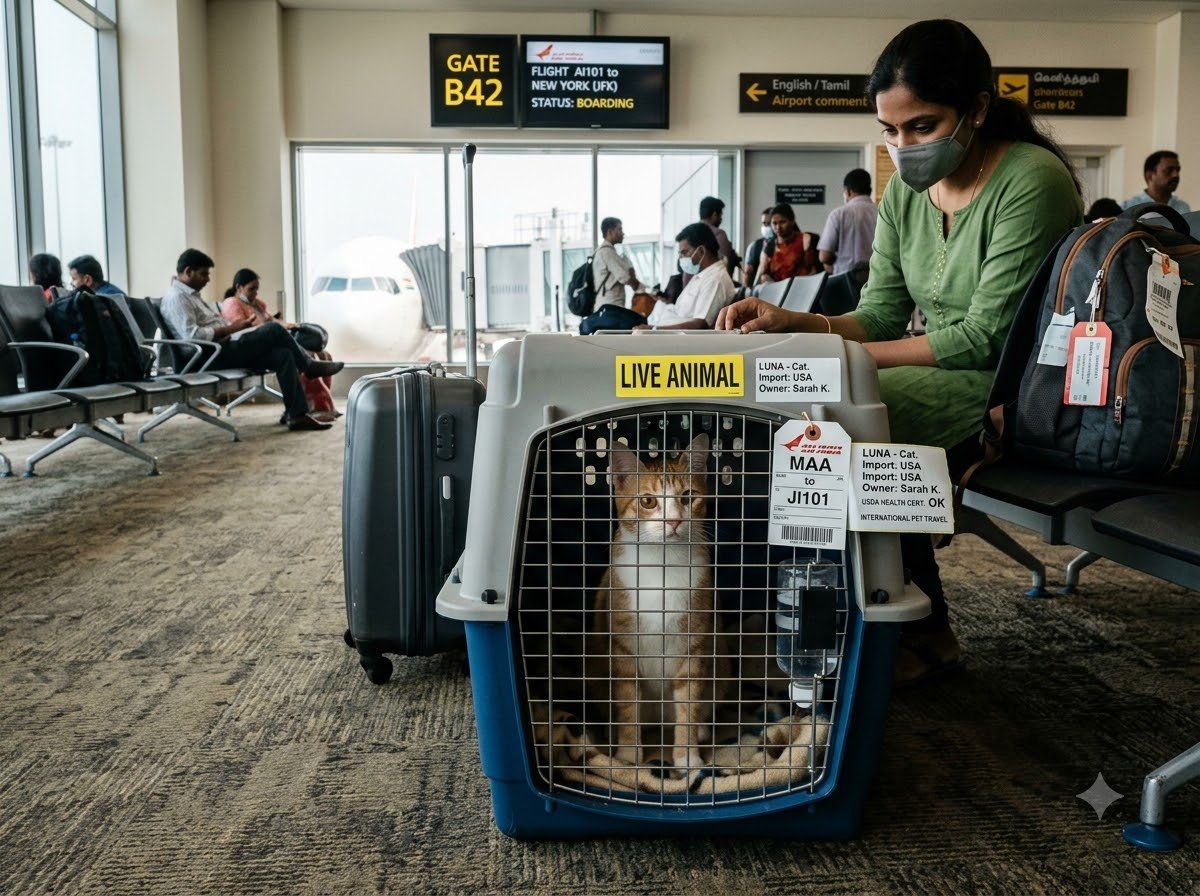
Why Do Airlines Treat Brachycephalic Cats Differently?
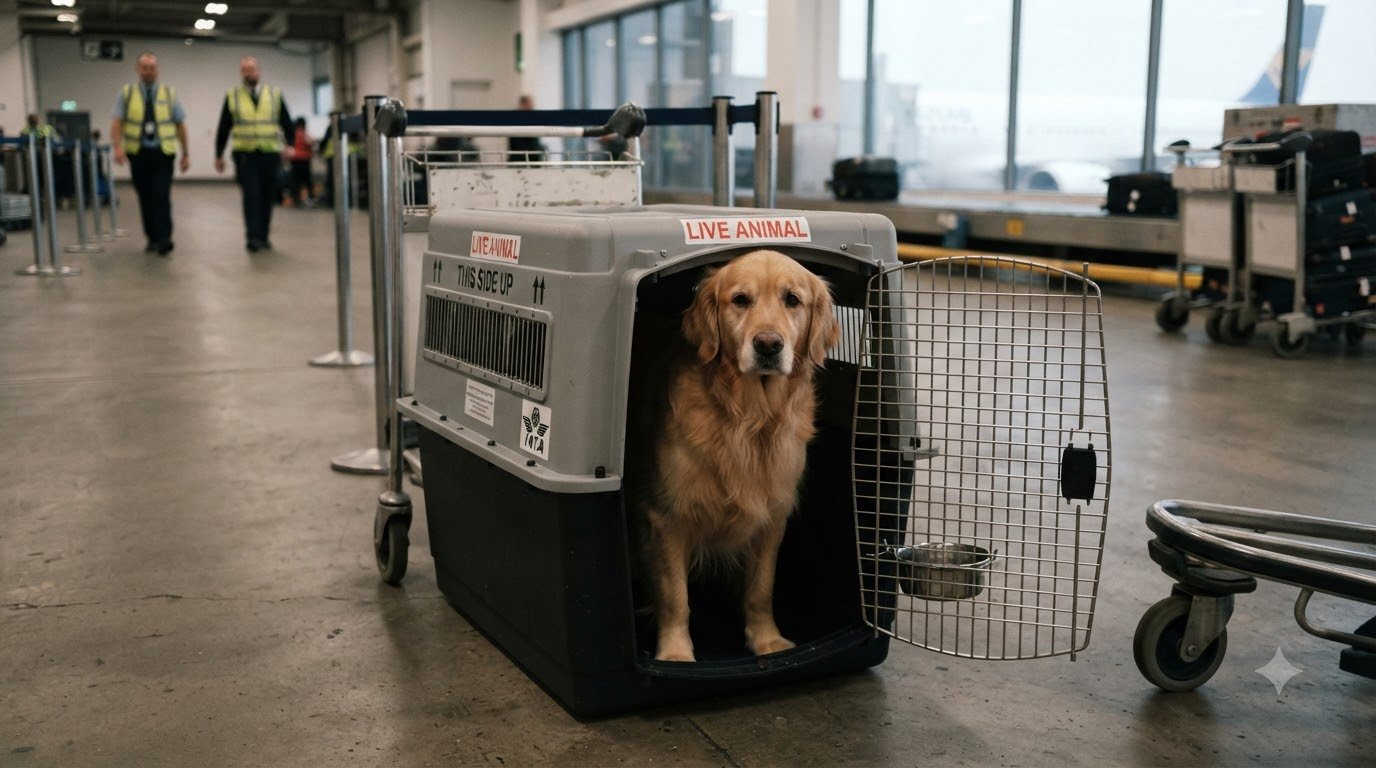
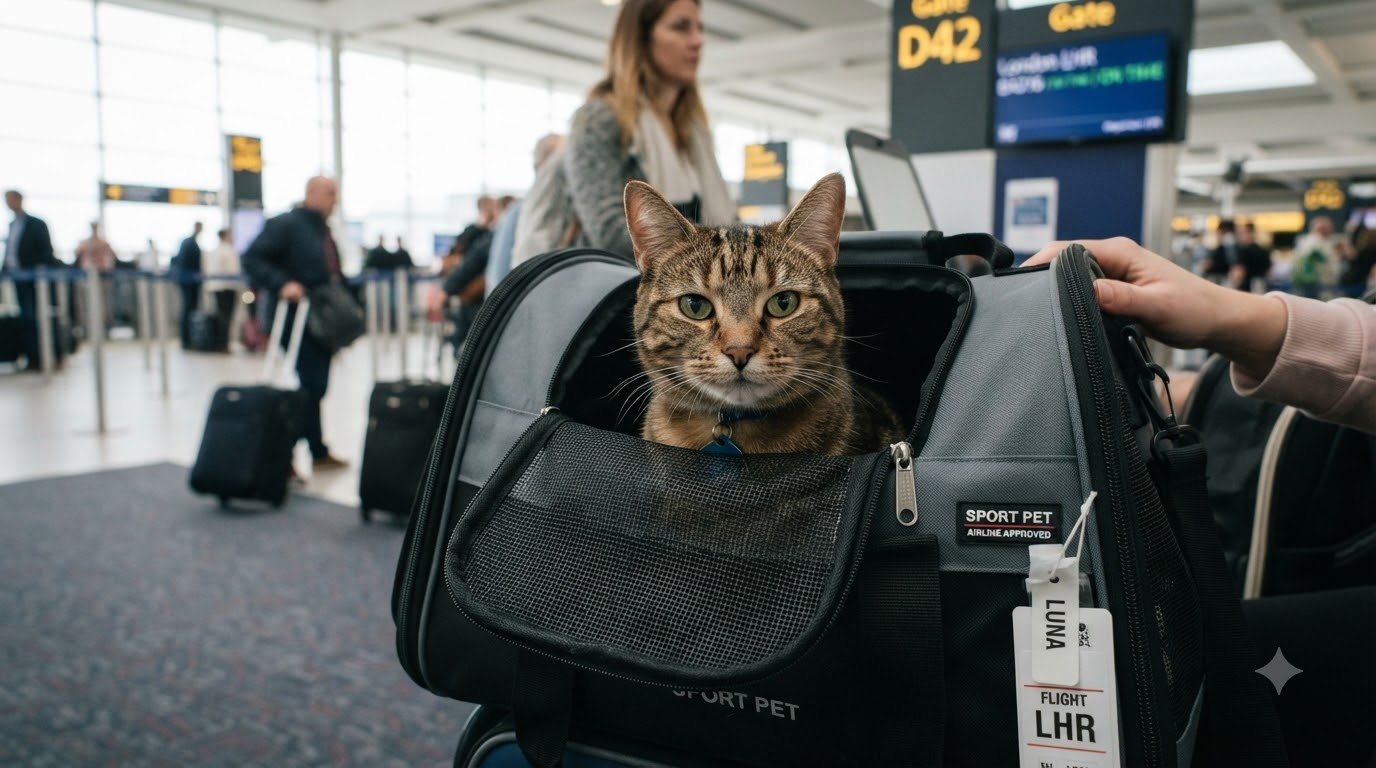
Flat-faced breeds like Persians already have less airway capacity than average, and the combination of stress, temperature fluctuation, and reduced airflow in a cargo hold raises meaningful health risk. Many airlines restrict or outright prohibit brachycephalic pets from cargo, making cabin travel in an airline-approved carrier the safer — and sometimes the only permitted — option.
How Should a Persian’s Coat Be Prepared for Travel?
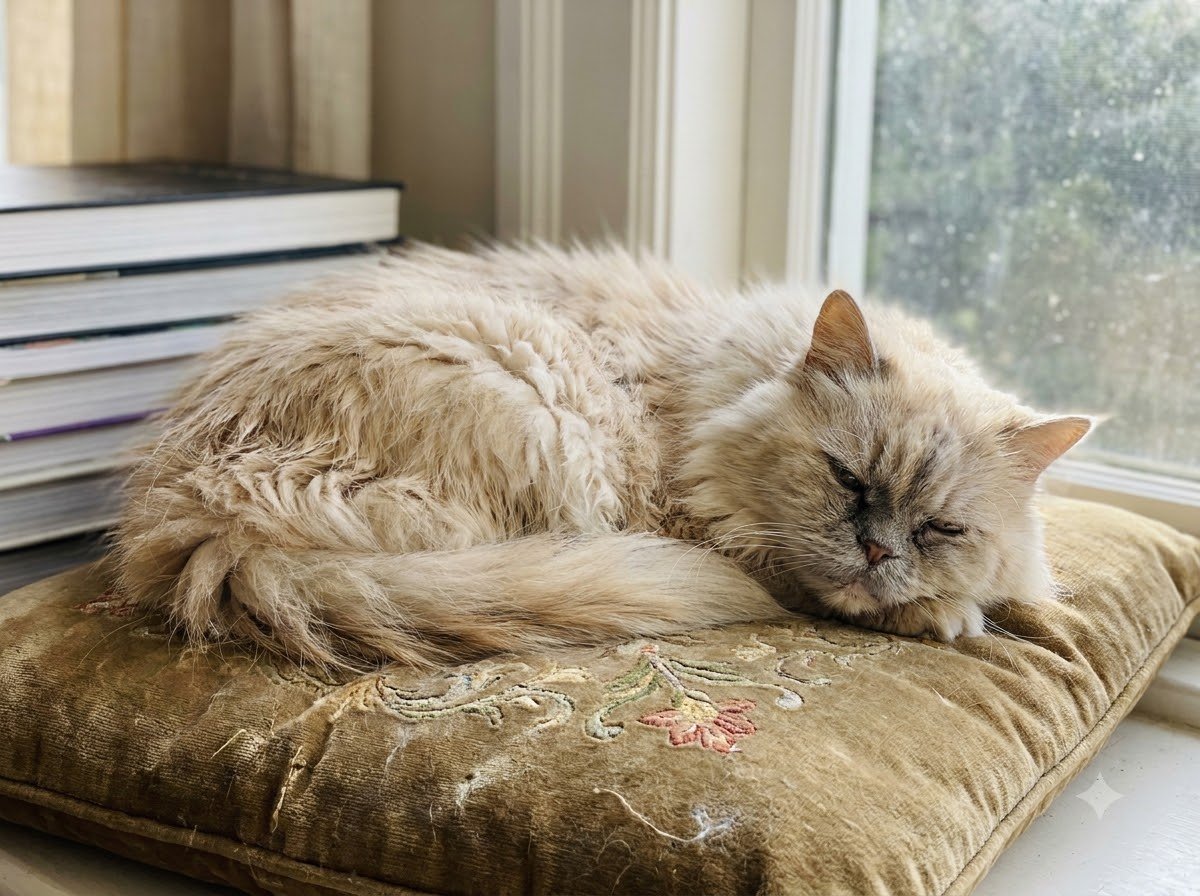
A full grooming and de-matting session in the days before departure reduces the risk of the coat trapping excess heat during a stressful journey, and removes any existing mats that would only become more uncomfortable over hours of travel. This matters more for a Persian than for a short-haired breed, where coat-related travel stress is largely a non-issue.
What Else Should Owners Plan for When Relocating a Persian Cat?
- Confirm your specific airline’s brachycephalic pet policy well before booking, since restrictions vary significantly between carriers
- Book cabin travel if at all possible, given the added risk of cargo transport for this breed
- Schedule a full grooming session in the days before travel, not weeks before, so the coat stays manageable through departure
- Avoid connections or layovers with significant time in extreme heat or cold, given the breed’s already-reduced temperature regulation efficiency
- Carry recent veterinary documentation confirming the cat is fit to fly, since some airlines require breed-specific health clearance for brachycephalic pets