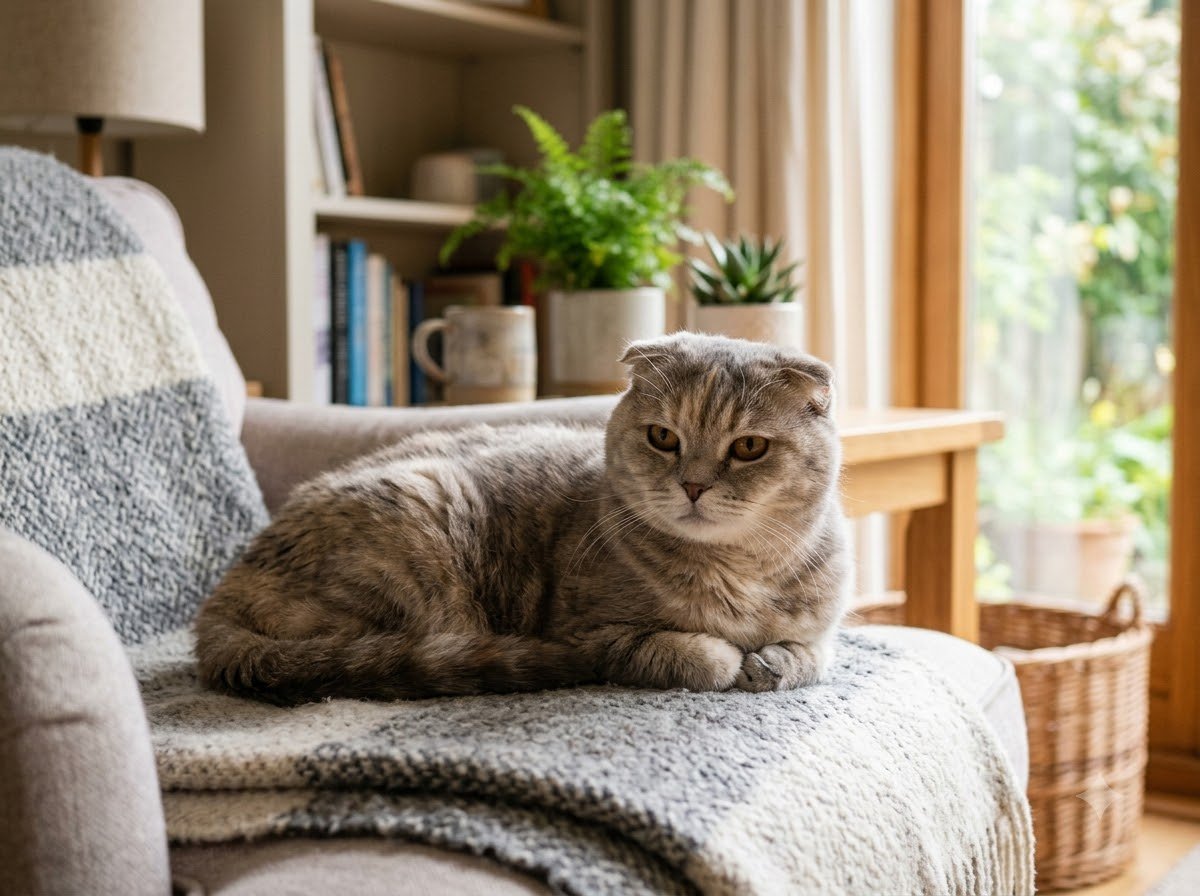
Scottish Folds carry a genetic trait that affects far more than their signature folded ears — the same cartilage mutation responsible for that look also causes osteochondrodysplasia, a condition affecting cartilage throughout the body that can lead to joint pain and stiffness, sometimes starting well before what’s typically considered senior age in other breeds.
Why Do Scottish Folds Have a Built-In Joint Condition?
The gene mutation that folds a Scottish Fold’s ears affects cartilage development throughout the body, not just in the ears. This can lead to abnormal cartilage and bone growth in the joints — particularly the tail, ankles, and wrists — causing stiffness and pain that, unlike in most breeds, isn’t purely an aging issue but a lifelong genetic condition that tends to become more apparent and more painful with age.
How Can You Tell if a Scottish Fold Is in Joint Pain?
- A stiff, shortened, or less flexible tail, often one of the earliest visible signs
- Reluctance to jump, or a noticeably lower jump height than before
- A stiff, less fluid gait, sometimes described as “walking on stilts”
- General reduced activity or reluctance to be handled around the legs or tail
How Should Joint Care Be Managed for an Aging Scottish Fold?
- Ask your vet about this condition specifically at wellness visits, since it isn’t always the first thing checked for in a cat
- Discuss pain management and joint supplements early — managing comfort proactively matters more than for breeds without a genetic joint condition
- Keep the cat lean, since extra weight adds meaningful strain to already-compromised joints
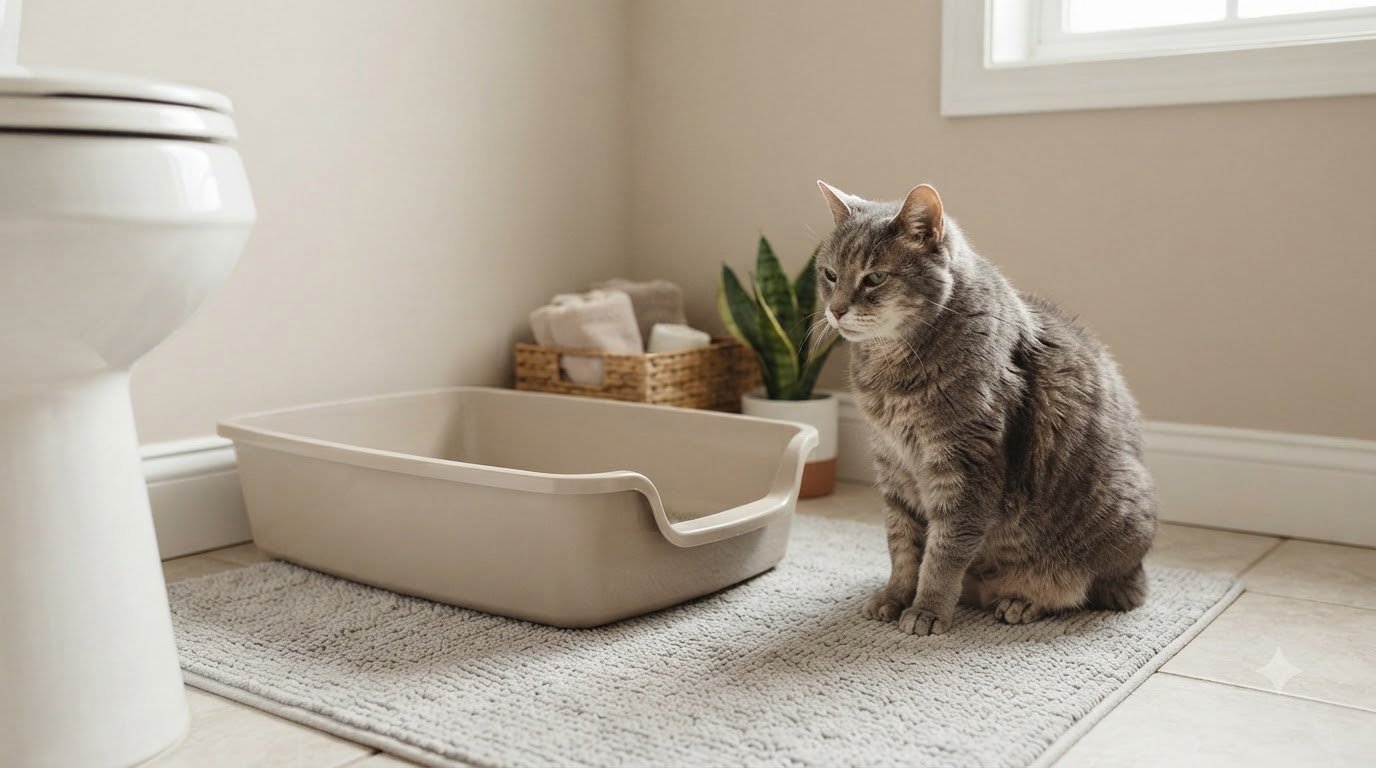
- Provide low-sided litter boxes and ramps to reduce the jumping and climbing that cause the most discomfort