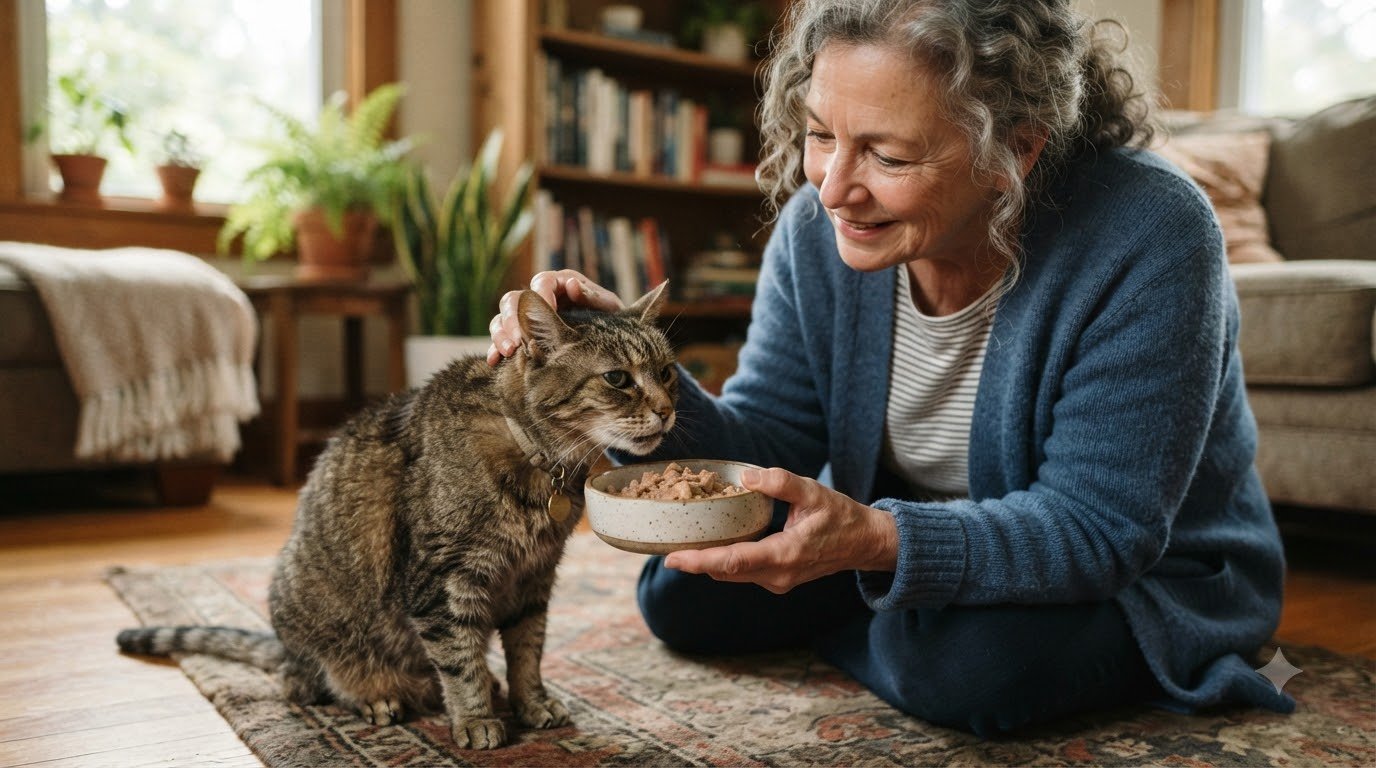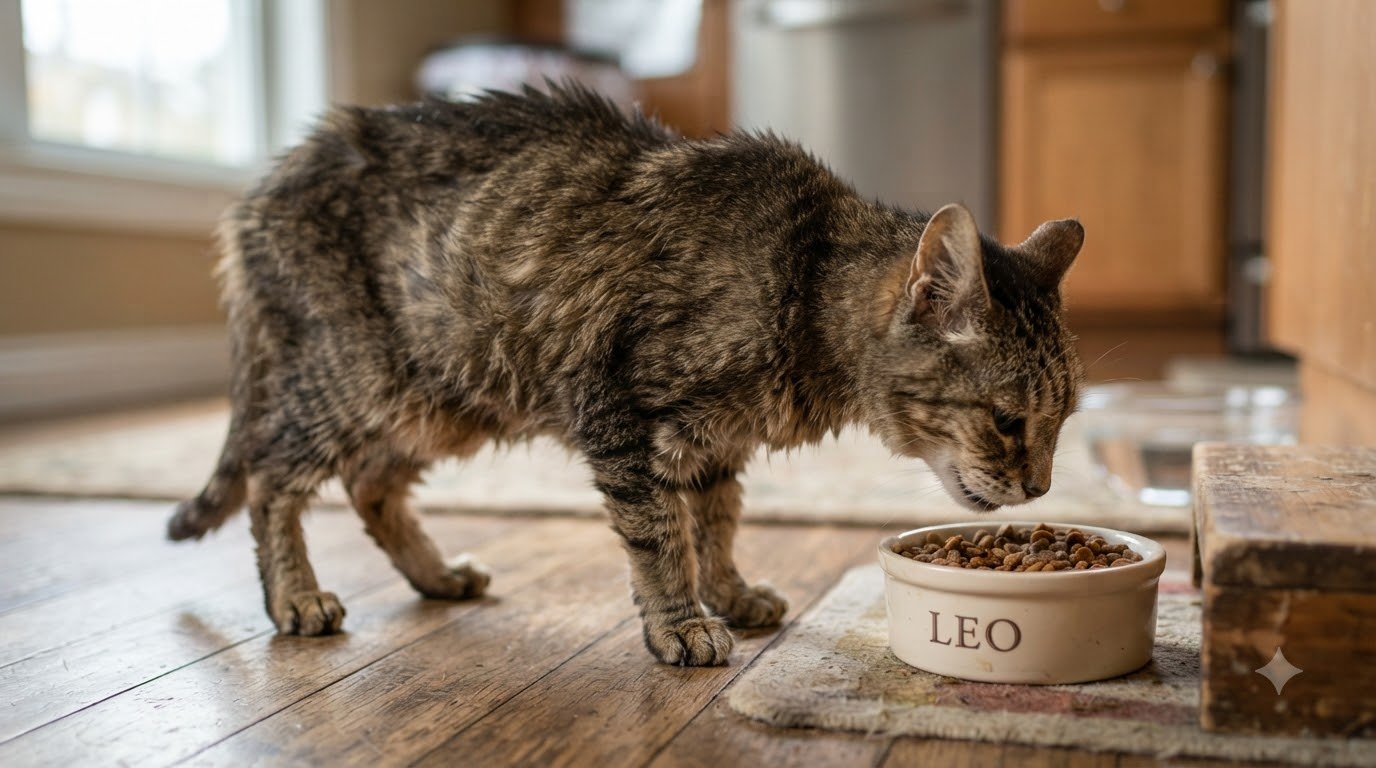
Weight loss, increased thirst, and a bigger appetite (or sometimes a smaller one) are hallmark signs of both feline hyperthyroidism and chronic kidney disease — two of the most common conditions in senior cats — which is exactly why the two get confused so often, both by owners and in casual conversation.
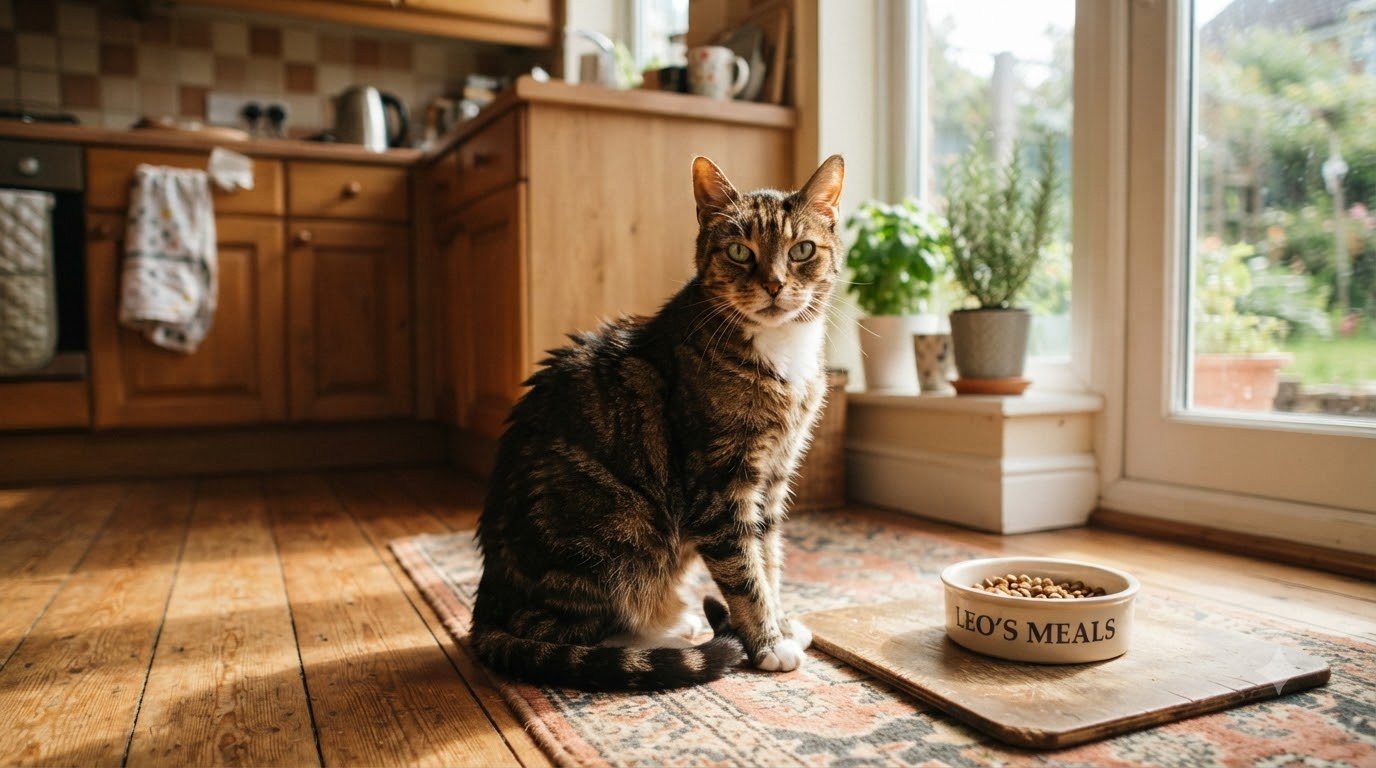
Why Do These Two Conditions Look So Similar?
Both hyperthyroidism and chronic kidney disease (CKD) are common in cats over the age of 10, and both can cause weight loss, increased thirst and urination, and changes in coat quality. Because the visible symptoms overlap so much, trying to guess which one is happening from behavior alone isn’t reliable — bloodwork is what actually differentiates them.
What Are the Distinguishing Signs of Hyperthyroidism?
Hyperthyroidism is caused by an overactive thyroid gland producing excess thyroid hormone, which speeds up the body’s metabolism. Classic signs include weight loss despite a ravenous appetite, restlessness or increased activity, a fast heart rate, and sometimes vomiting or diarrhea. Many owners describe a hyperthyroid cat as suddenly “hyper” or unusually vocal for its age.
What Are the Distinguishing Signs of Kidney Disease?
Chronic kidney disease develops as kidney function gradually declines, and its hallmark signs are increased thirst and urination, along with weight loss that’s more often paired with a reduced or picky appetite rather than a ravenous one. Cats with CKD may also seem more lethargic than hyperthyroid cats, who often stay unusually active despite losing weight.
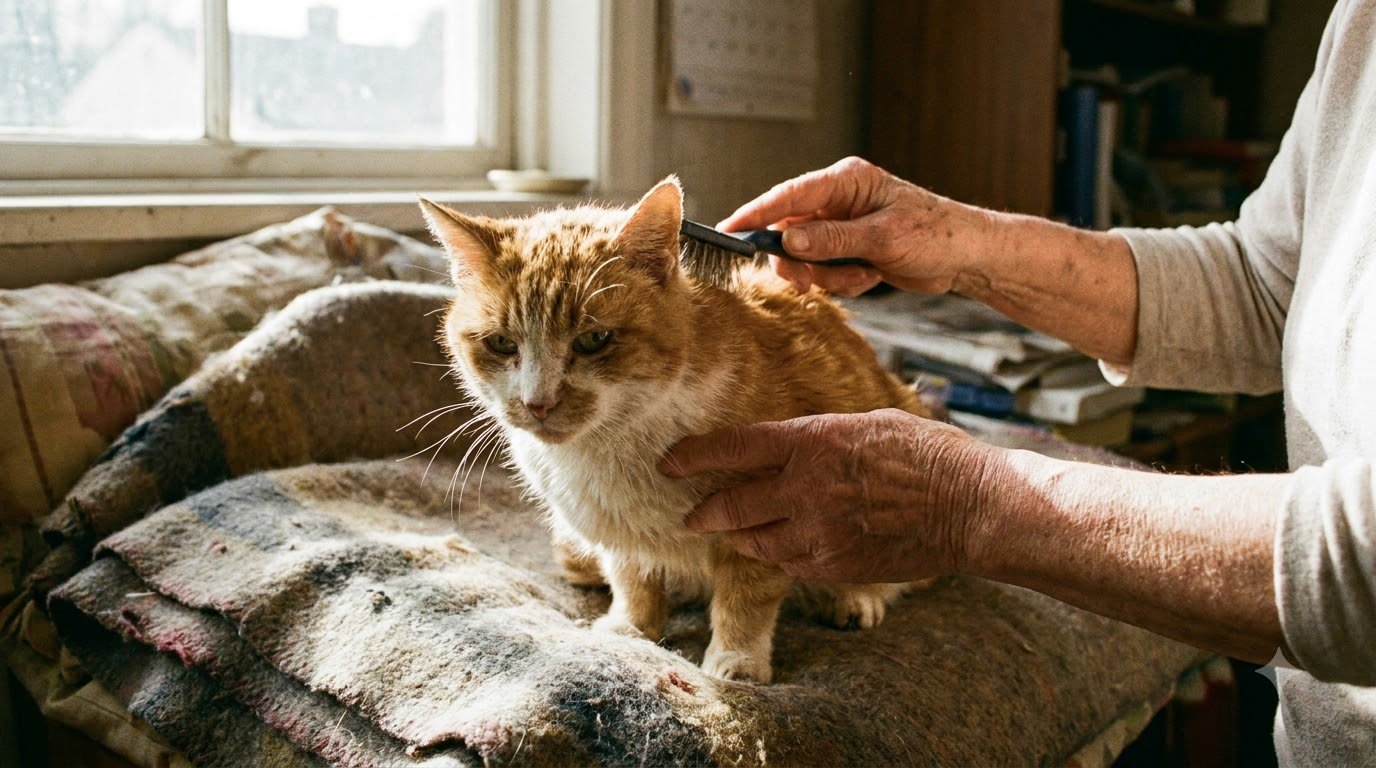
How Do Vets Actually Tell Them Apart?
- Blood tests: A T4 (thyroid hormone) test confirms or rules out hyperthyroidism, while kidney values (BUN, creatinine, SDMA) assess kidney function
- Urinalysis: Checks how well the kidneys are concentrating urine, an important piece of the kidney-disease picture
- Blood pressure check: Both conditions can affect blood pressure, and hyperthyroidism especially can raise it
- Physical exam: An enlarged thyroid gland can sometimes be felt in the neck during a routine exam
Why Does the Overlap Between Them Matter for Treatment?
This is the part that makes the two conditions especially important to distinguish correctly: hyperthyroidism increases blood flow to the kidneys, which can temporarily mask early kidney disease on bloodwork. Once hyperthyroidism is treated and blood flow normalizes, previously hidden kidney disease can become apparent. Because of this, vets typically recommend re-testing kidney values a few weeks after starting hyperthyroid treatment, rather than treating either condition as fully resolved based on one round of tests.
If your senior cat is showing weight loss, increased thirst, or appetite changes, the most useful next step is a vet visit with bloodwork — not guessing between the two based on symptoms, since the right treatment plan depends on knowing exactly which condition (or combination of both) is actually happening.