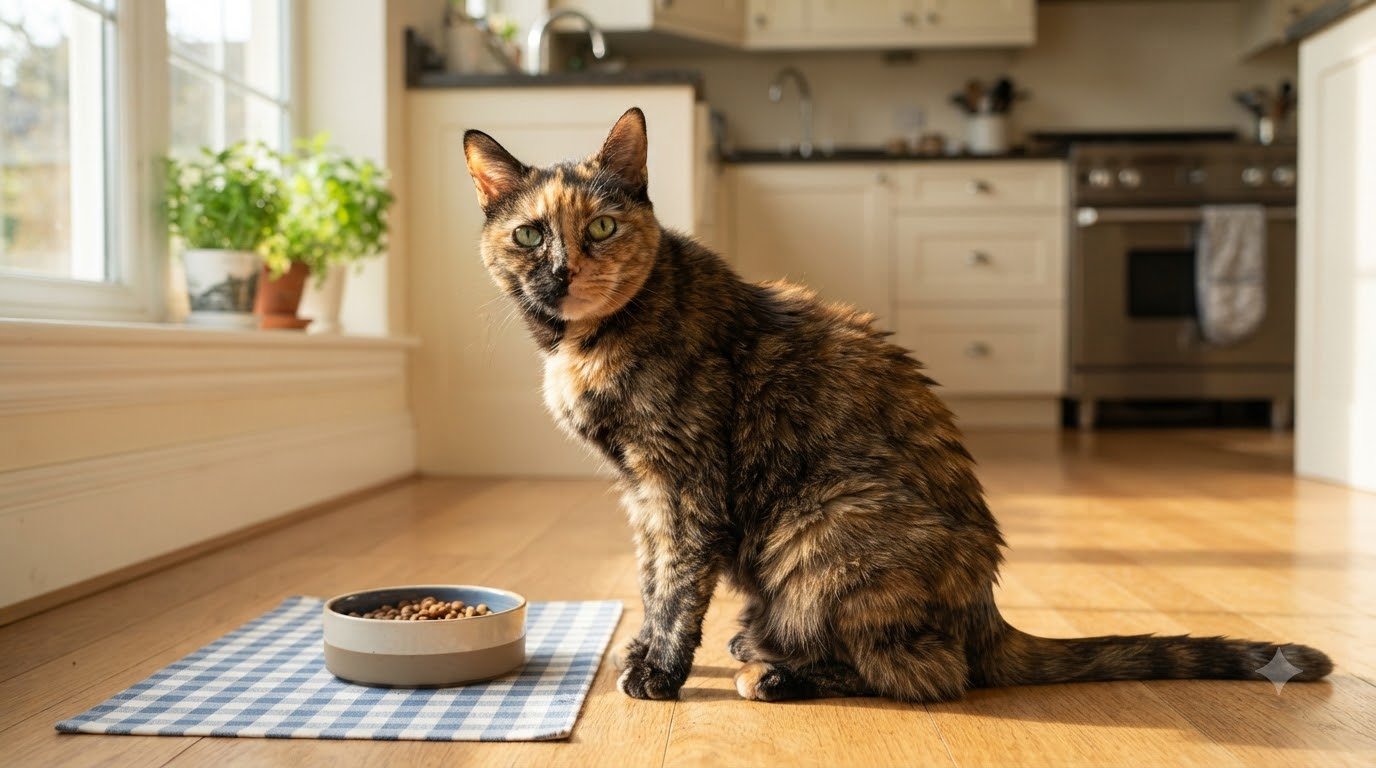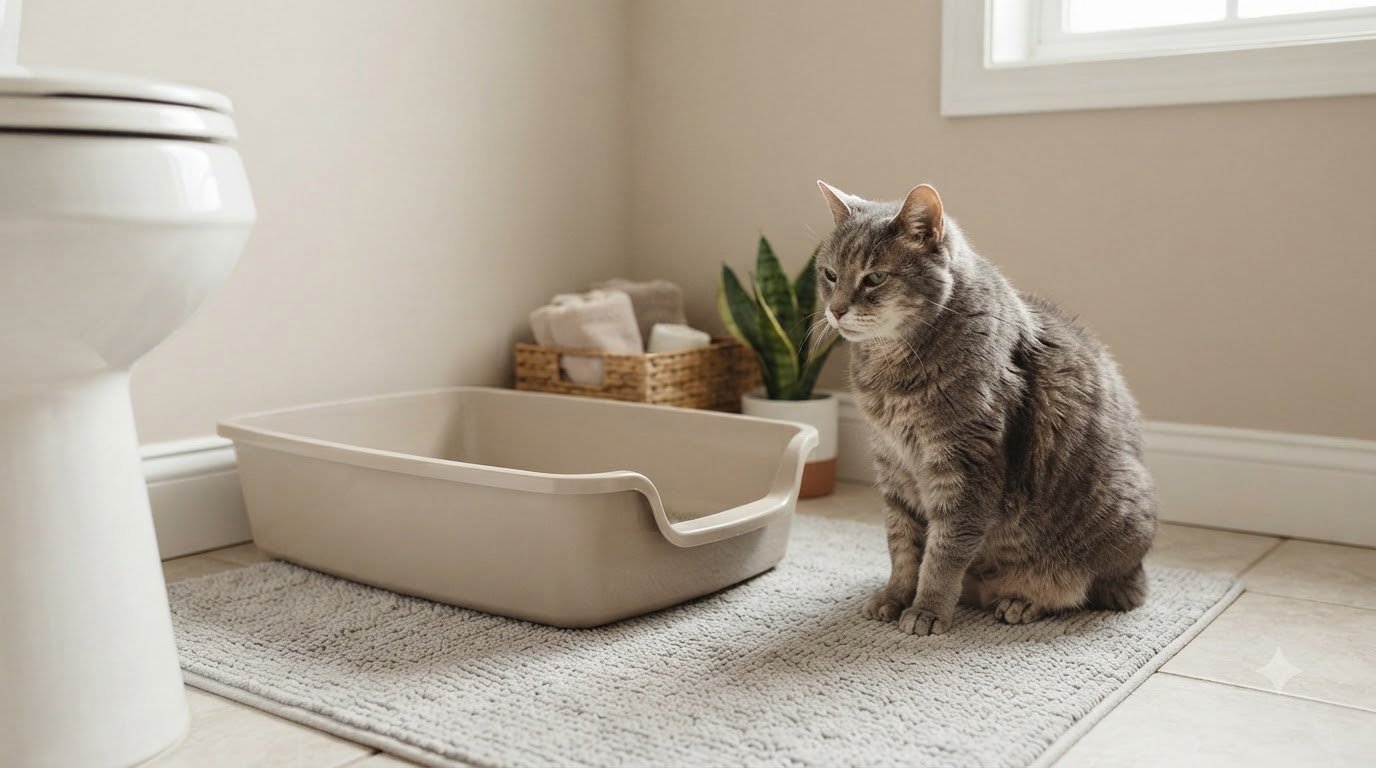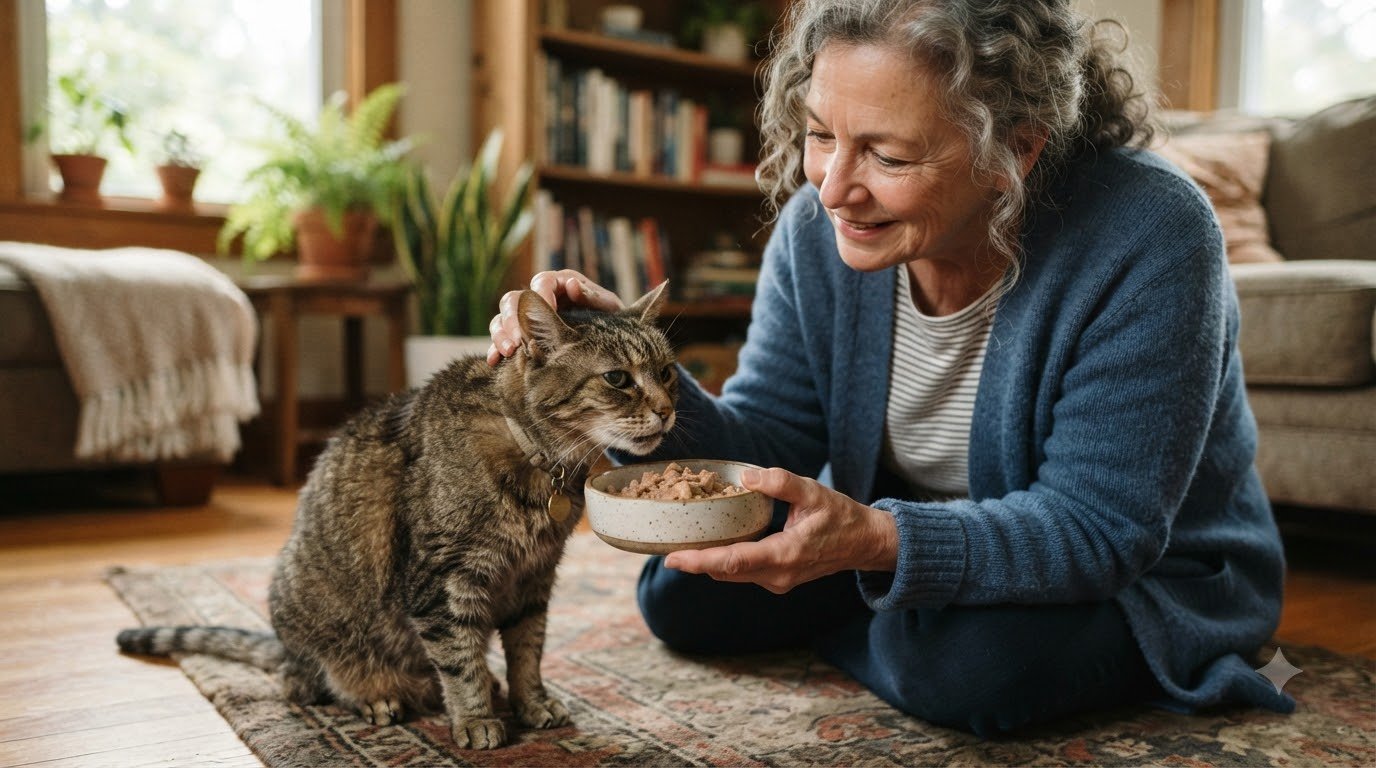
Cats are experts at hiding discomfort, so aging often shows up as quiet, easy-to-miss changes rather than anything dramatic. Watch for reduced grooming, sleeping more than usual, hesitating before jumping, and small litter box changes — these can all appear years before a cat seems obviously “old.”
What Are the Earliest Physical Signs of Aging in Cats?
- A duller, slightly matted coat from reduced self-grooming
- Visible weight loss, even with a normal appetite
- Cloudiness in the eyes
- Longer, thicker claws from less scratching activity
- Bad breath or visible tartar buildup
- Stiffness after sleeping, or reluctance to jump onto furniture
Why Do Aging Cats Change Their Behavior?
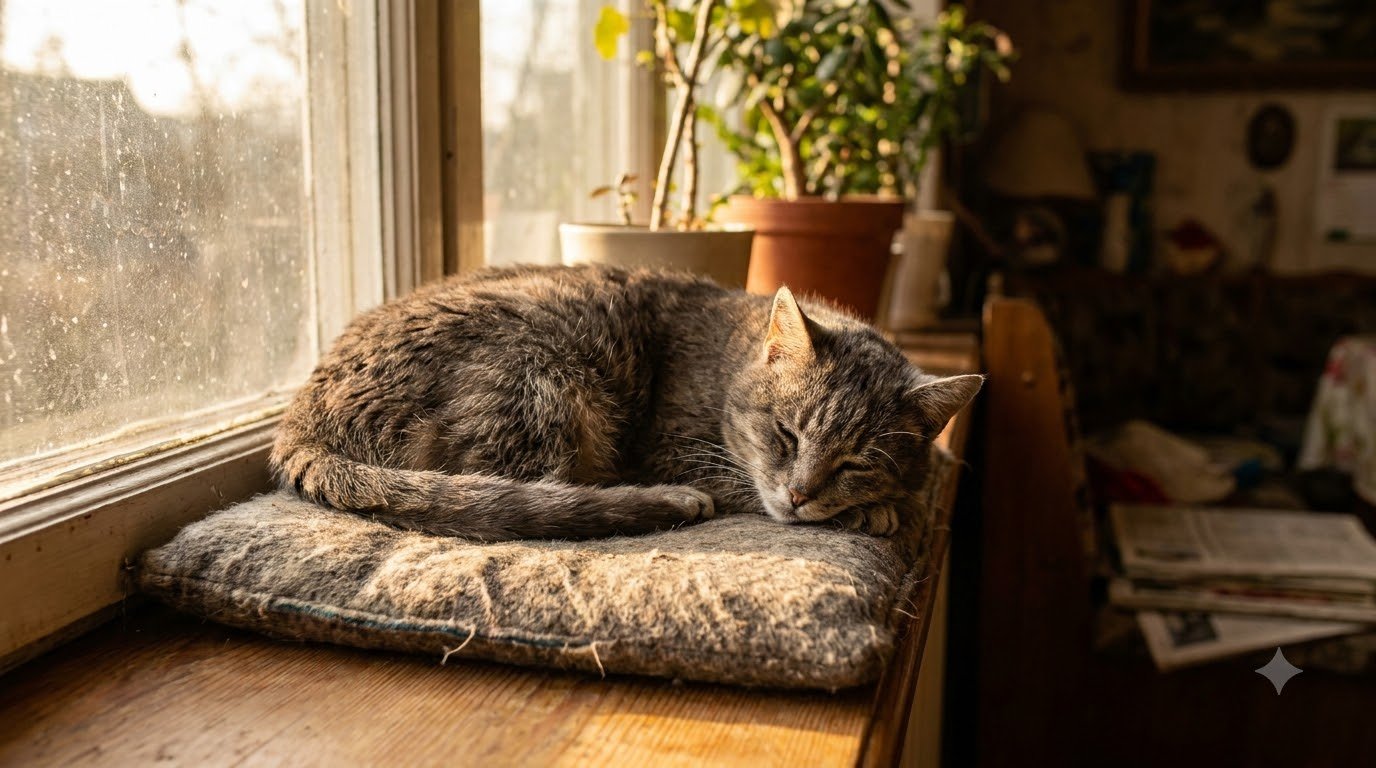
Behavioral shifts are often the first thing owners notice, even before physical signs. A cat that used to greet you at the door may start sleeping through it. Increased vocalization, especially at night, can signal anything from hearing loss to early cognitive changes. Reduced interest in play is normal in moderation, but a cat who stops playing altogether is worth watching closely.
How Is Aging Different for Indoor vs. Outdoor Cats?
Indoor cats tend to live longer on average, which means owners see a longer, more gradual aging process — sometimes making slow changes harder to notice. Outdoor and indoor-outdoor cats face more injury and disease risk, but owners often catch mobility changes faster simply because a cat who used to patrol the yard and stops is a more visible shift than a cat who was already mostly sedentary indoors.
When Should You Take an Aging Cat to the Vet?
- Schedule twice-yearly wellness visits once a cat turns 10, rather than once a year
- Ask about senior bloodwork, including kidney and thyroid panels
- Bring up any new litter box habits immediately — they’re often the first visible sign of a health issue
- Track weight at every visit; unexplained loss is one of the most reliable early warning signs in cats
- Don’t wait for limping — cats show joint pain through reduced activity, not obvious lameness