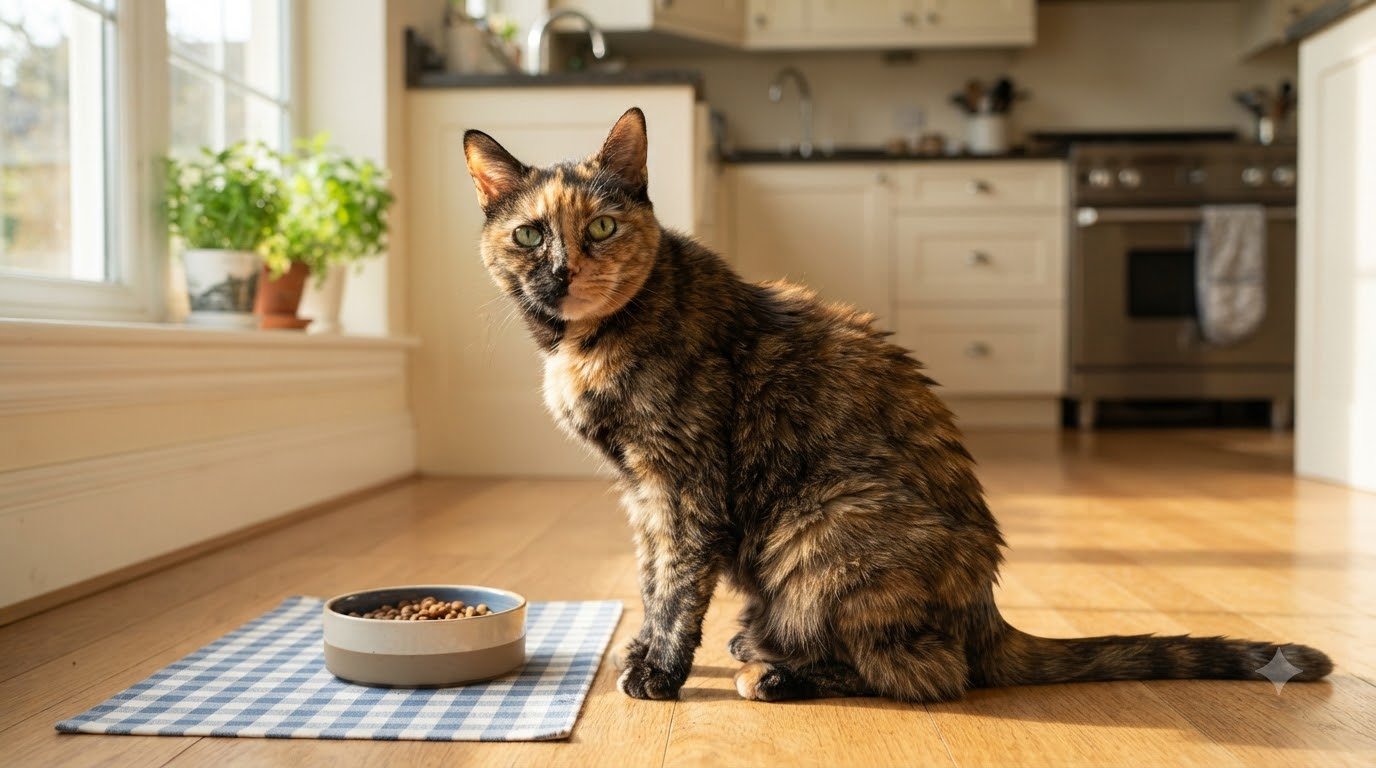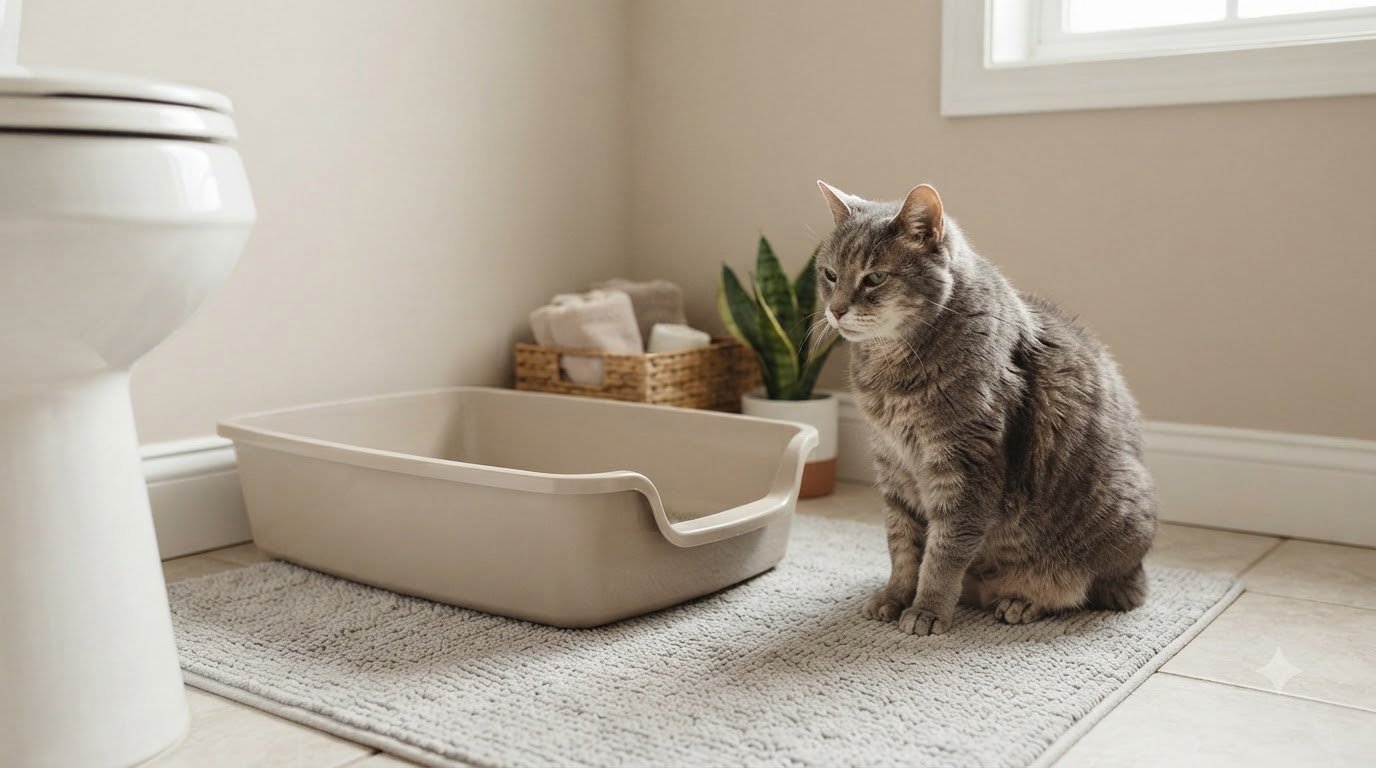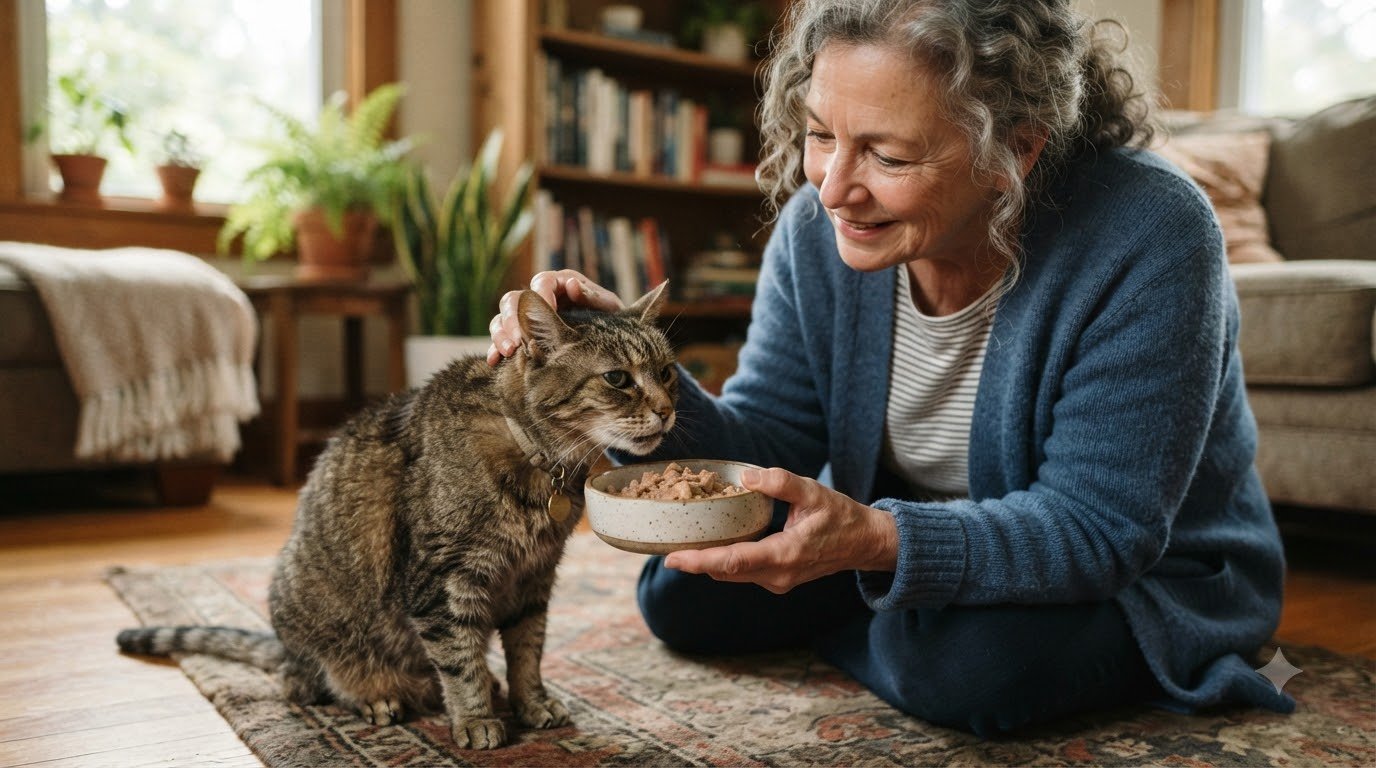
A cat’s senior-year health is shaped years earlier — weight management, dental care, and environmental enrichment started in kittenhood and young adulthood measurably reduce the health problems that tend to show up later. Care doesn’t start mattering only once a cat is already old.
What Are a Cat’s Life Stages?
Vets generally describe a similar four-stage framework to dogs, though the timeline differs:
- Kitten (0–1 year): rapid growth, socialization window, core vaccinations
- Young adult (1–2 to 3 years): physically mature, highest activity level, lifelong habits form here
- Mature adult (roughly 3–10 years): growth has stopped, metabolism gradually slows, early prevention still pays off
- Senior (10–11+ years): age-related changes become more noticeable — see our guide on signs of aging in cats owners often miss for what to watch for
What Should Kittens Focus On for Long-Term Health?
- Balanced, growth-appropriate nutrition — kitten formulas support development in ways adult food doesn’t
- Positive early experiences with handling, carriers, and nail trims, which makes vet visits far less stressful later in life
- A vaccination and parasite-prevention schedule set by your vet
- Early socialization to people, other animals, and everyday household sounds

What Changes During the Young Adult Years?
This is the stage where lifelong habits get set. A young adult cat kept at a lean body condition, with regular dental care and an enriched indoor environment, enters mature adulthood with a real head start. This is also the window where owners often relax on preventive vet visits because the cat “seems fine” — but subclinical dental or weight issues that start here often aren’t obvious until the senior years.
How Do Early Habits Actually Affect a Cat’s Senior Years?
- Cats kept lean throughout adulthood show measurably lower rates of joint and metabolic disease in senior studies compared to overweight cats of the same breed
- Consistent dental care from a young age reduces the periodontal disease that becomes far more common — and more painful — in senior cats
- Cats introduced early to handling and carriers tend to tolerate the more frequent senior-year vet visits better
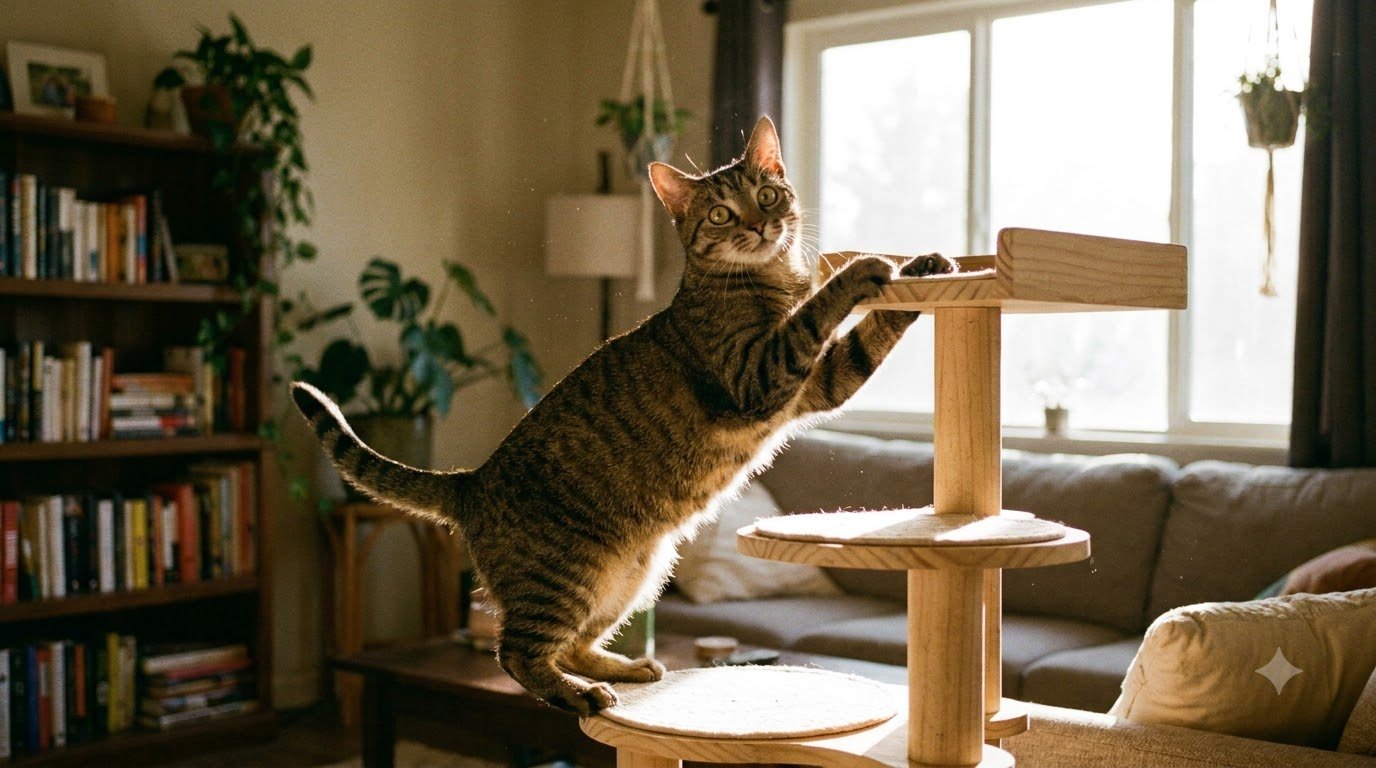
- An enriched environment (climbing space, scratching options, play) built in young adulthood supports the mobility and mental engagement that matter even more later in life
None of this means senior-stage care doesn’t matter — it does, and it’s why this site covers it in depth. It means the senior years go better when the groundwork starts decades earlier, not after the first signs of aging appear.